Healingbowl®
Singing bowls and sets, travels
Get Consultation
Healingbowl®
Singing bowls and sets, travels
Get Consultation
Dr. Surikov's methods in the sacred atmosphere of the Himalayas
Boudhanath
Swayambhunath
Kopan
Parping
Jamchen Vijaya
Bhaktapur
Pashupatinath
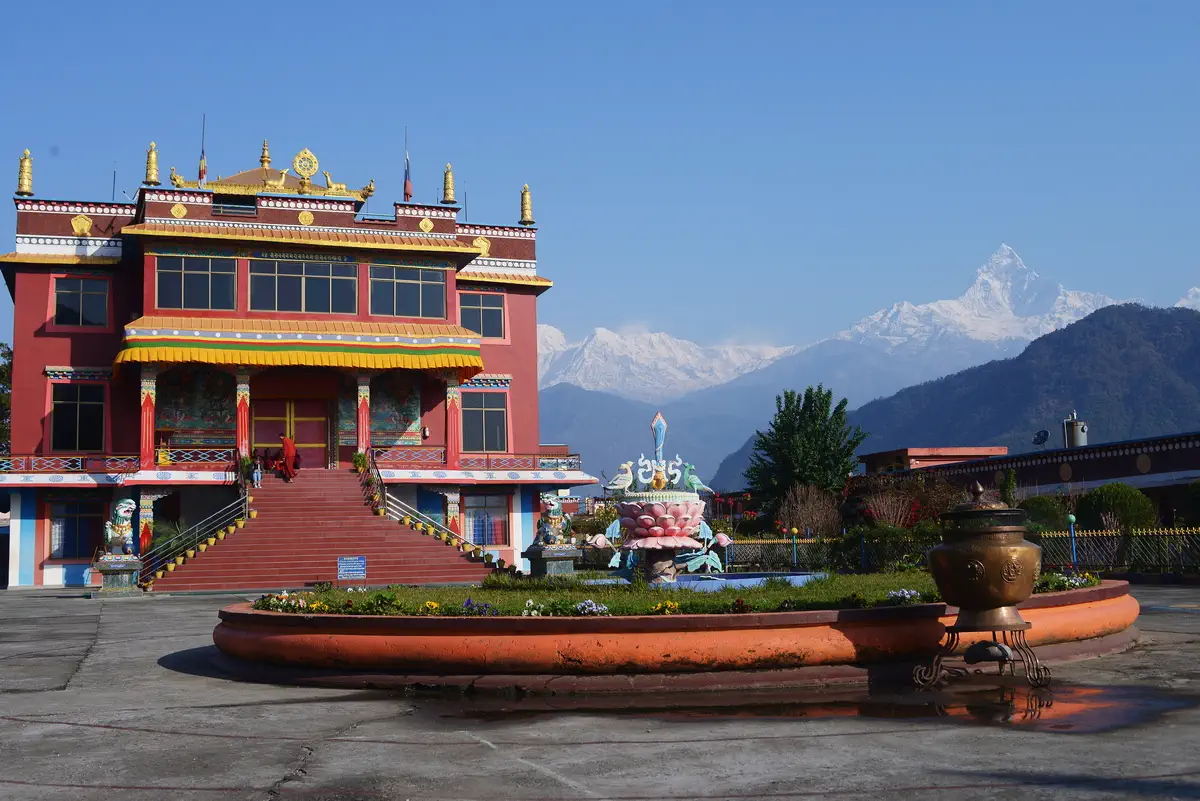
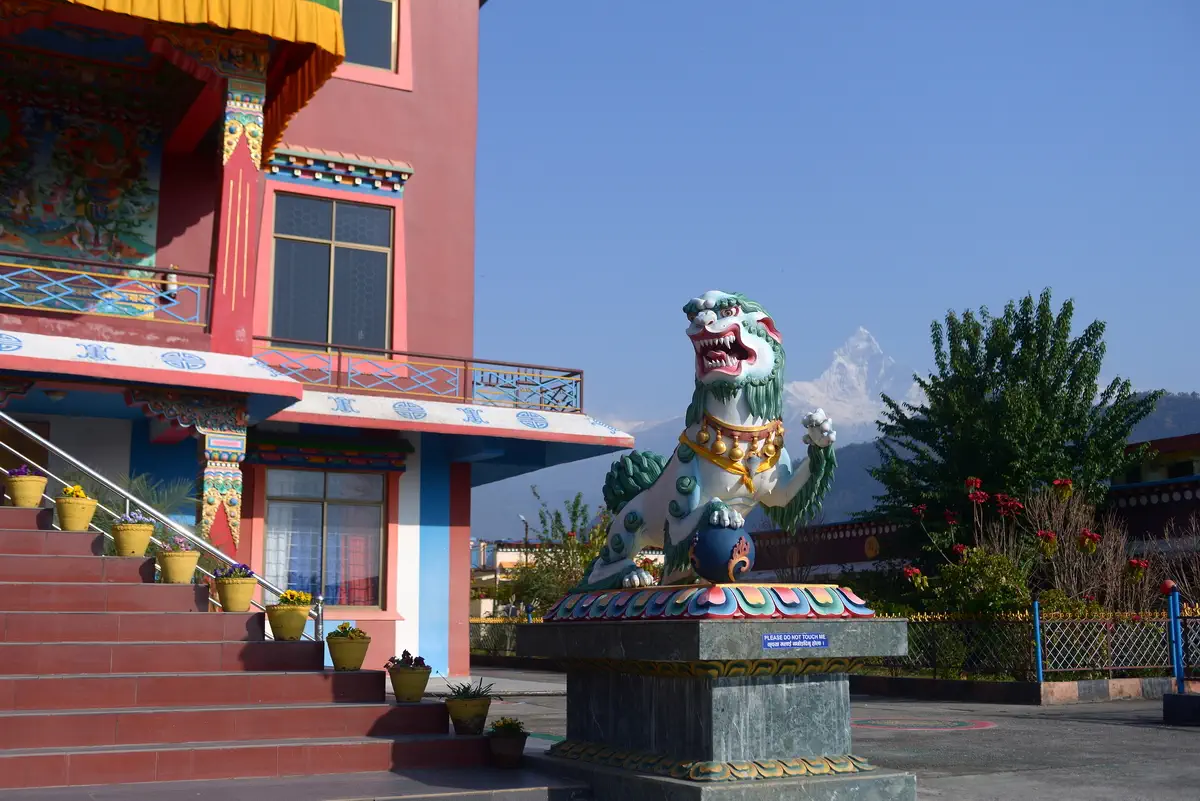
Tibetan monasteries
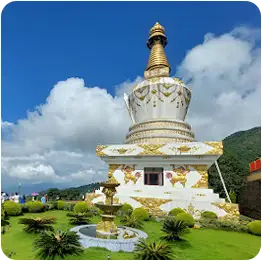
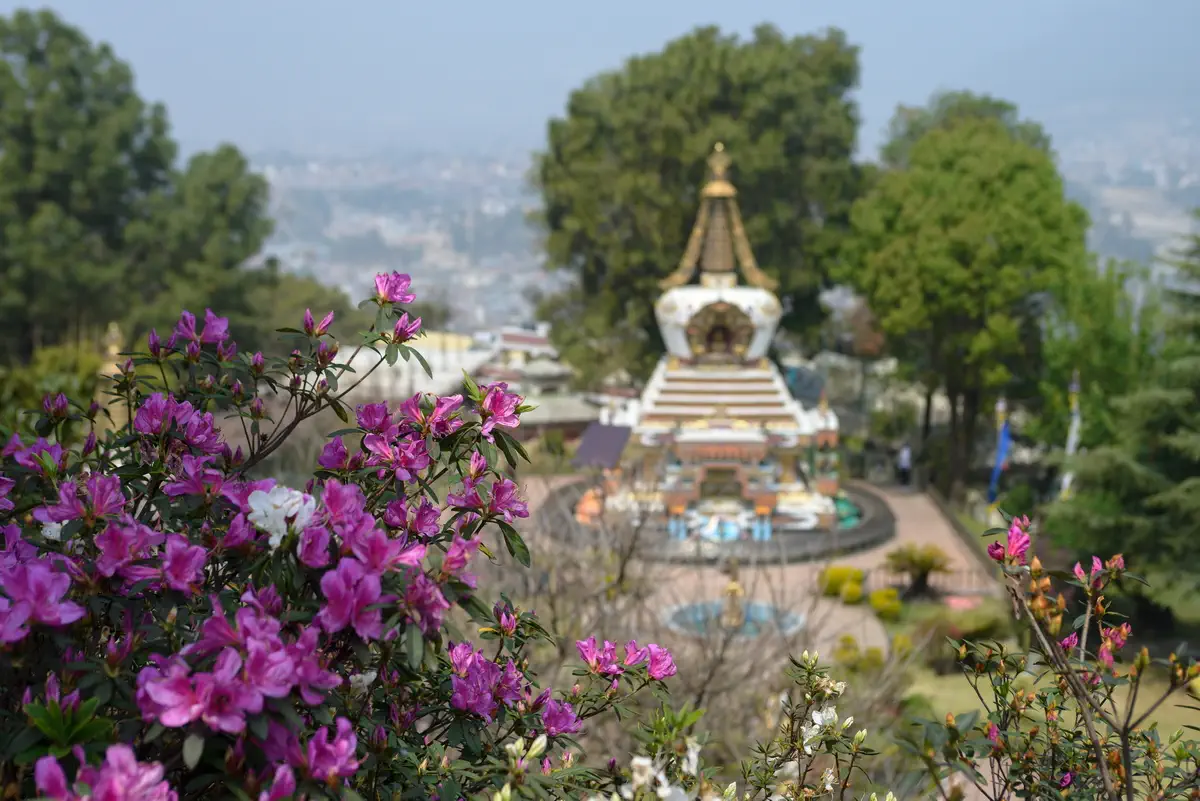
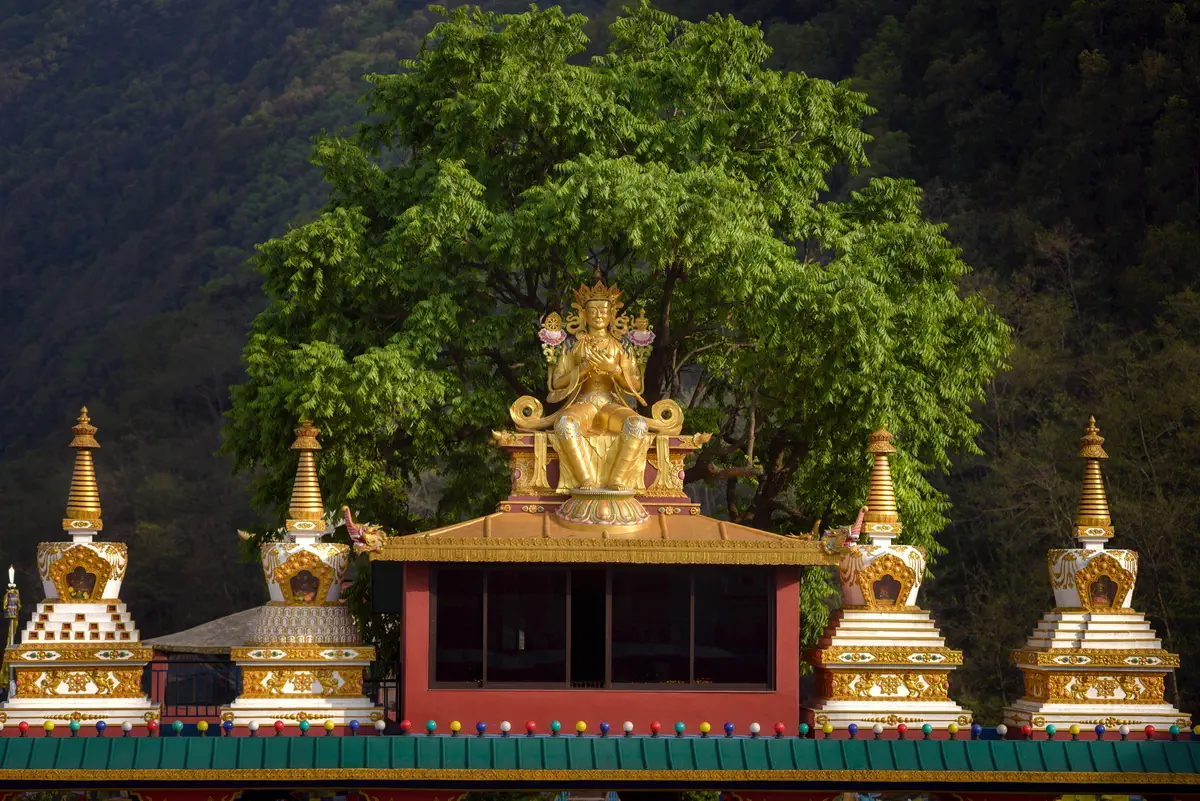
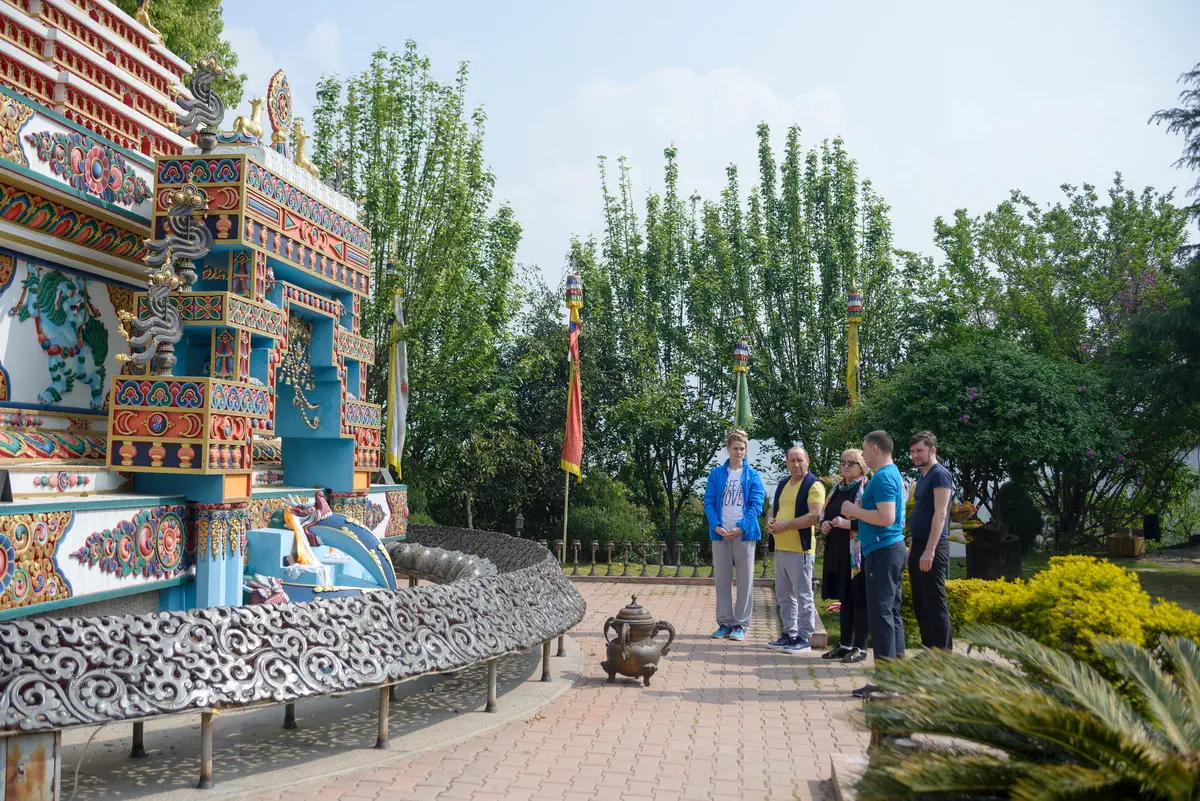
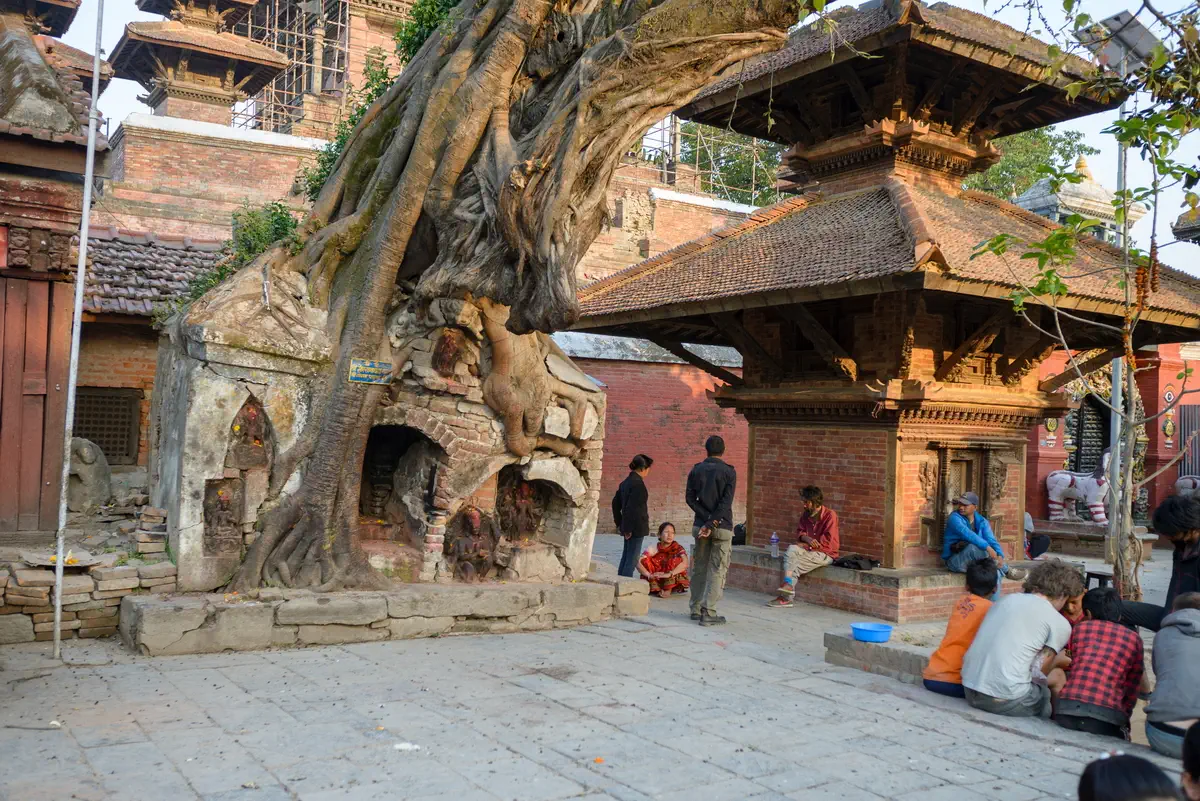
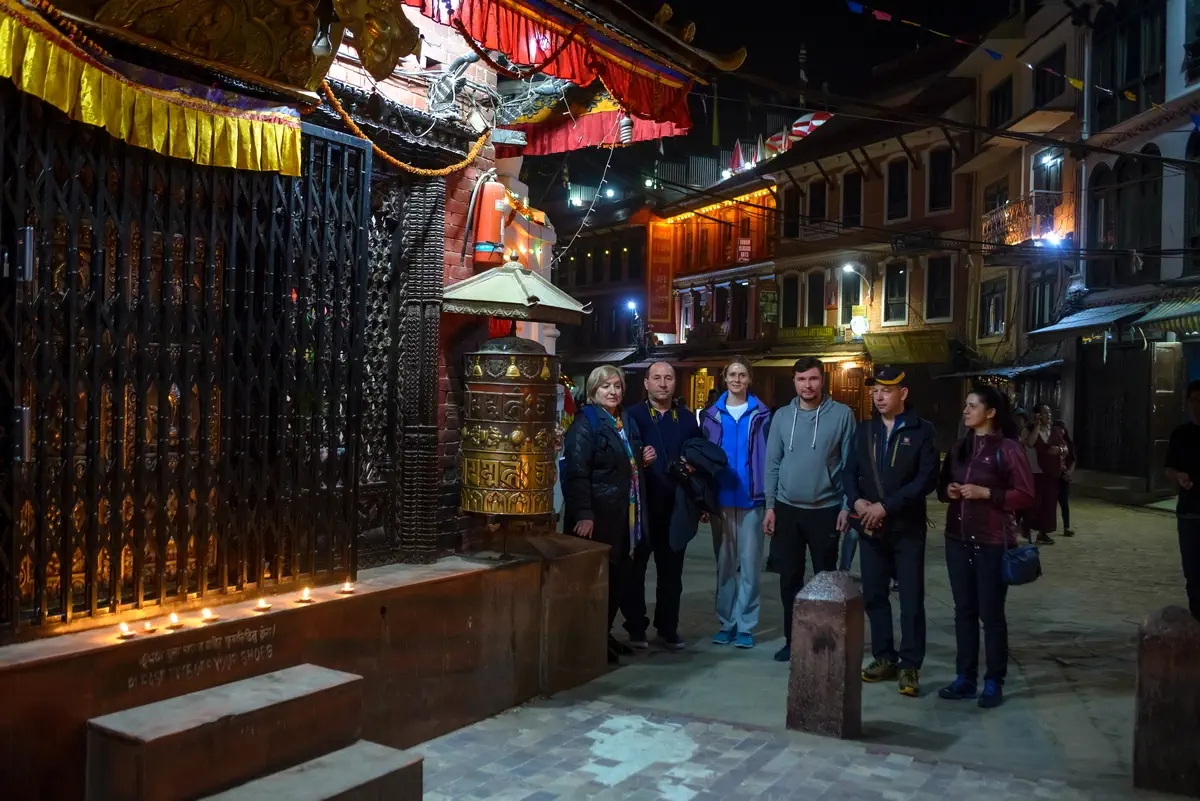
Boudhanath Stupa — a giant stupa considered the center of Buddhism in Nepal. When believers look at the Boudhanath Stupa, they see the Buddha — this reflects the site’s special atmosphere, a distinct and easily recognizable sense of peace and tranquility. The stupa is a spatial mandala: its base symbolizes earth, the hemispherical dome represents water, the spire with 13 steps (corresponding to the 13 stages on the path to Nirvana) stands for fire, the parasol signifies air, and the crowning belvedere embodies the sky.
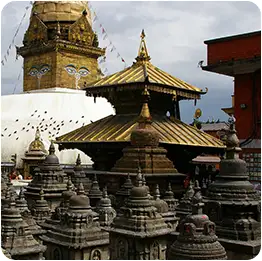
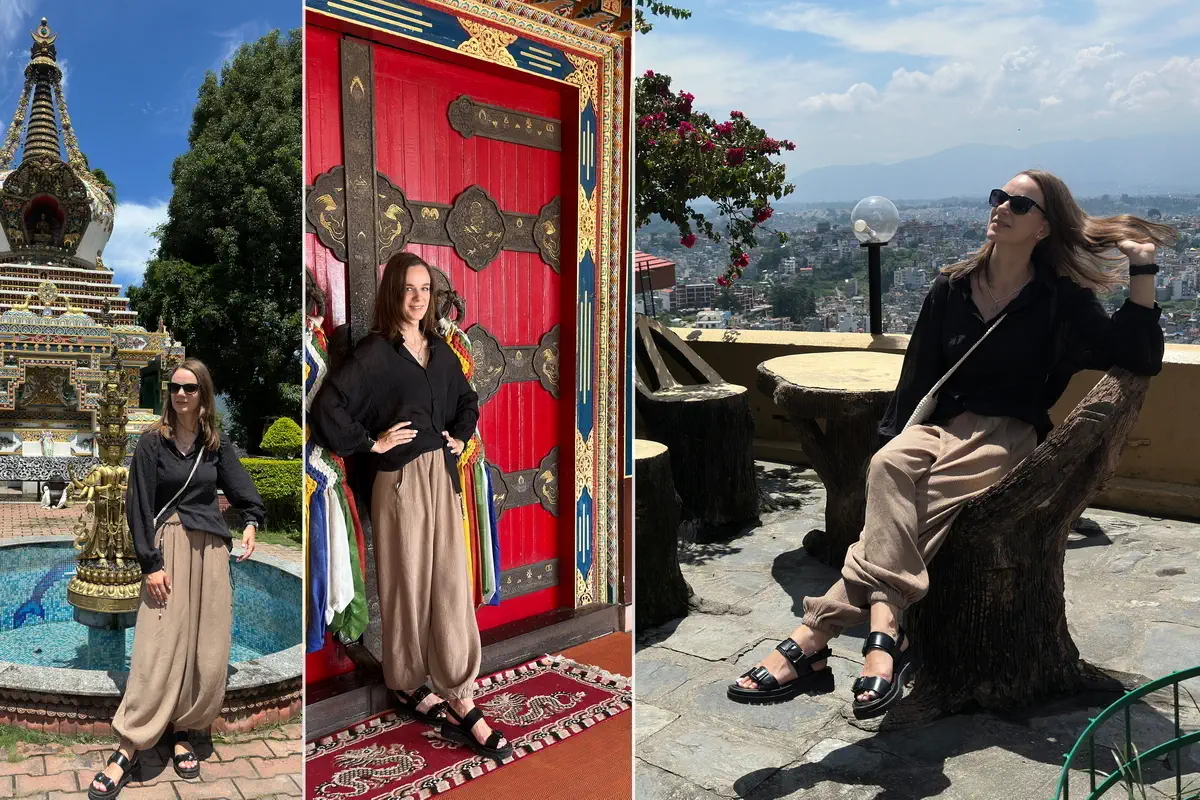
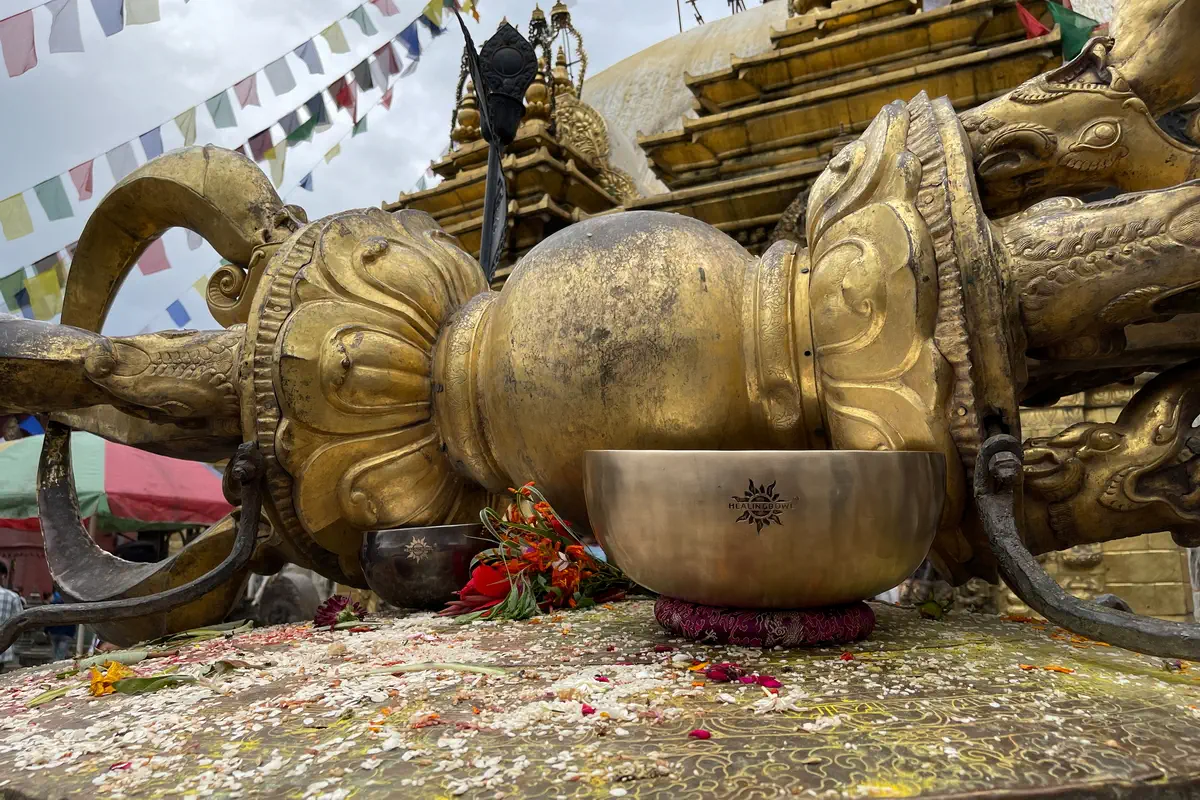
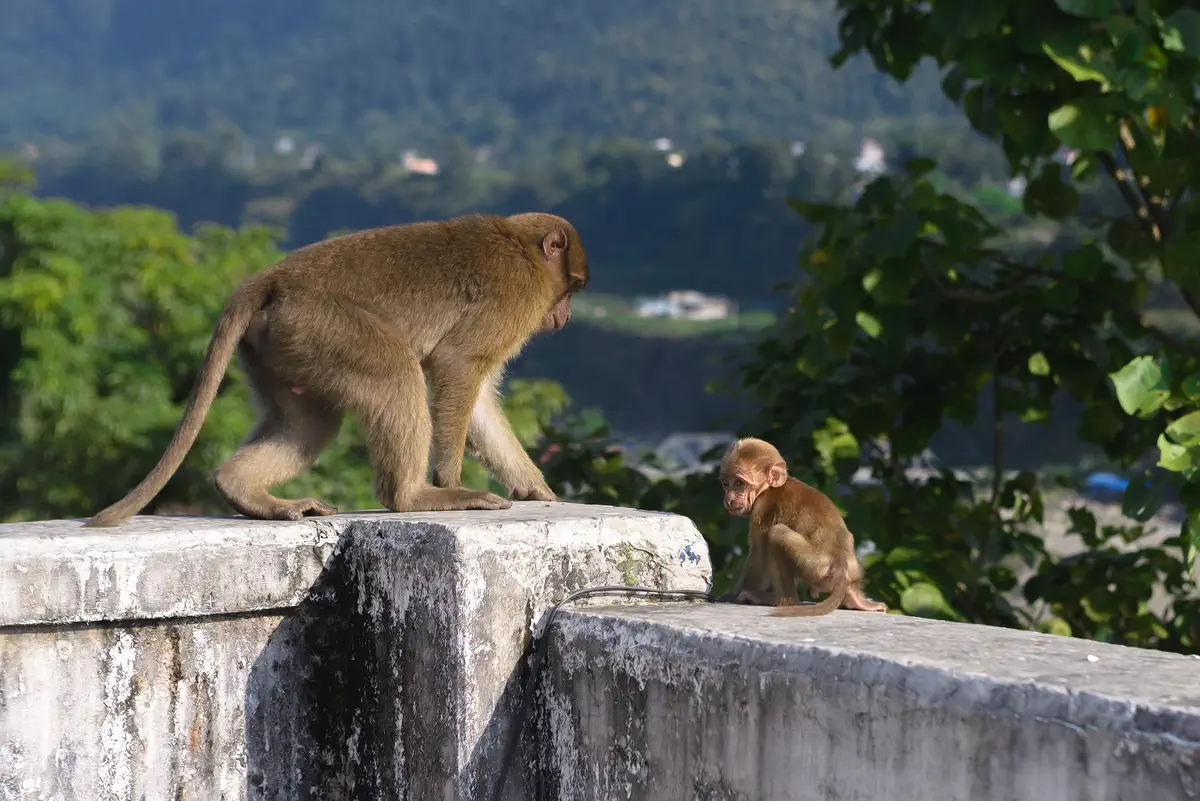
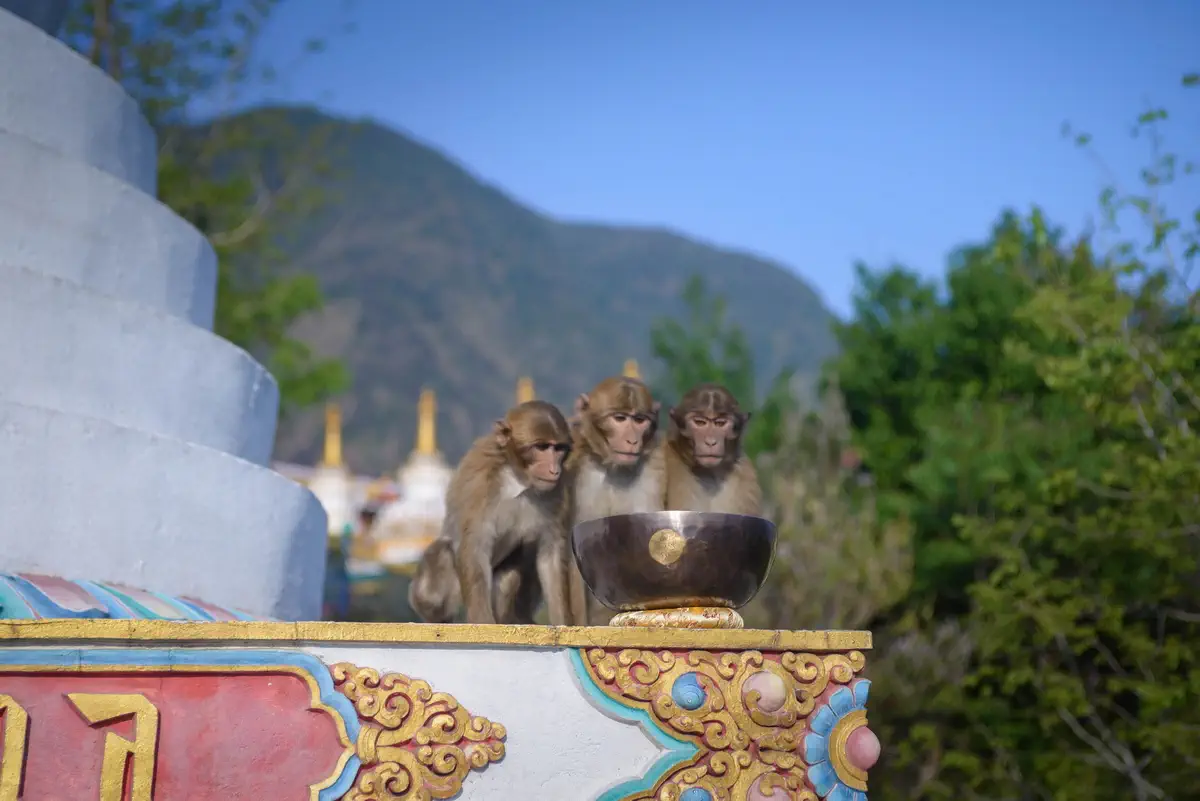
Swayambhunath Stupa — this temple complex sits atop a hill (known as the “Monkey Hill”), reached by climbing 365 steps. As a religious center, the stupa was already well known in the 5th century. Swayambhunath is listed by UNESCO as a World Heritage Site and is the oldest in Nepal. It is here that the ancient character of the place is felt most acutely.
Kopan Monastery (Gelug school) — a renowned Tibetan Buddhist monastery that combines a religious center, a hub for spiritual practices, and a nunnery. Visitors from around the world come to Kopan to immerse themselves in its spiritual atmosphere and learn meditation techniques.
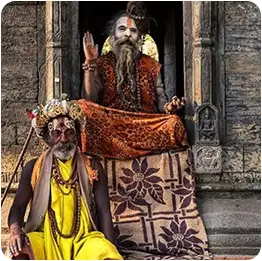
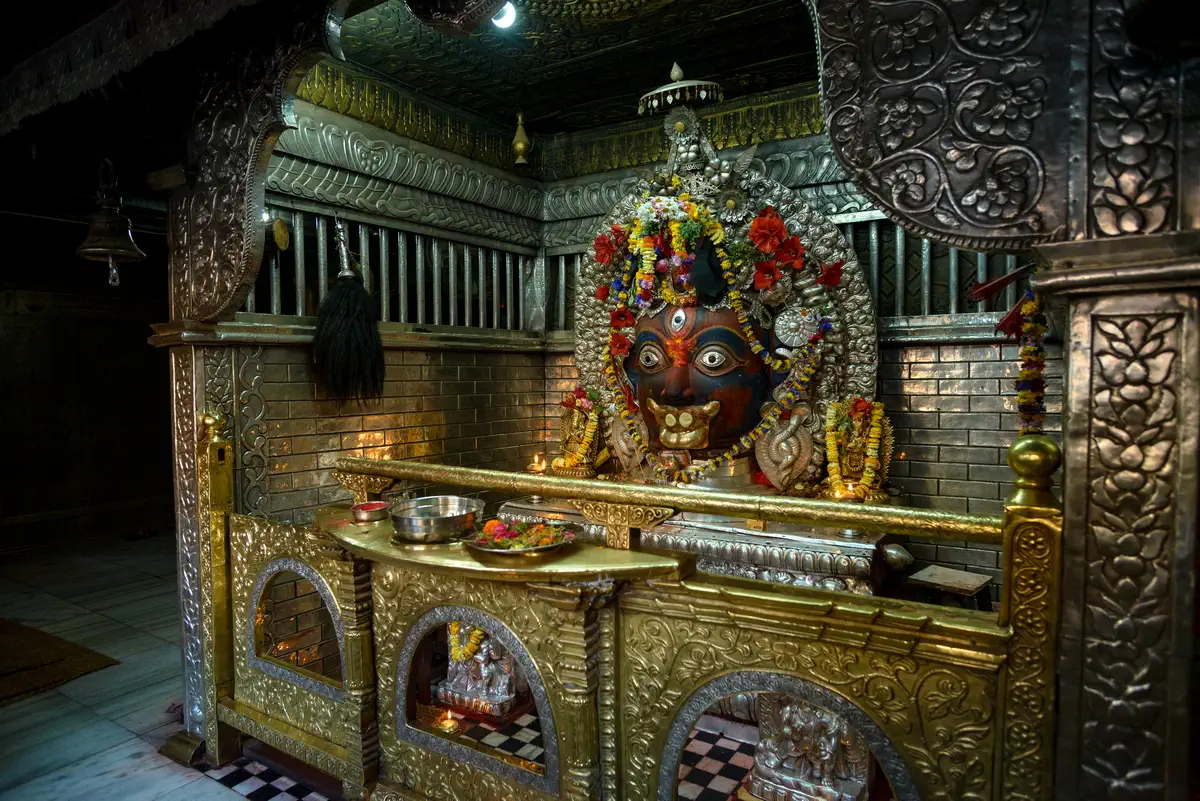
Pashupatinath — the largest Hindu temple complex in Nepal. It is considered the most important holy temple of Shiva in the world and is often called the Varanasi of Nepal. Hindus believe that cremation at this sacred site is a direct path to heaven, which is why bodies are sometimes brought here from other countries. The entire complex embodies the presence of Shiva, so the prevailing mood is one of praise for Shiva (including the evening fire Aarti rituals) and a special atmosphere of solemn peace, in line with the concept of Eternity.
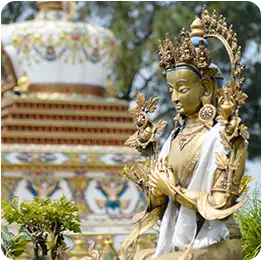
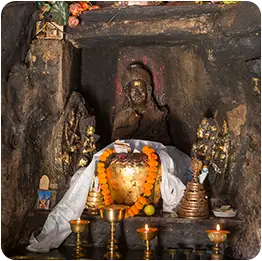
Parping — an important Buddhist pilgrimage site, a village in the Kathmandu Valley. It features the Vishnu Temple, a Buddhist monastery, the Vajra Yogini Temple, and a small chapel where you can see a self‑manifested image of Tara. The most significant site here is the Asura Cave: it was in this cave that Padmasambhava, the great teacher who brought Buddhism to Tibet, attained the level of Mahamudra Vidyadhara. For a long time, Guru Rinpoche practiced various tantric rituals within these walls. Through meditation on Vishuddha Heruka and Vajrakilaya, he not only realized the state of Mahamudra but also subdued the local demons, thereby bringing great benefit to all of Nepal. One sign of Guru Rinpoche’s spiritual realization is the palm print he left on the rock surface near the entrance to the Asura Cave.
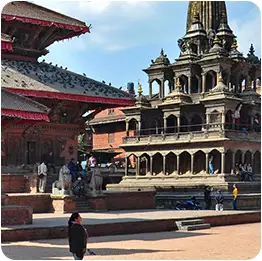
Patan (Lalitpur) — a city of craftsmen not far from Kathmandu, famous for its decorative arts. It is often regarded as the oldest and most beautiful city in the Kathmandu Valley. At every turn, you’ll find small shops overflowing with trinkets: silver jewelry with semi‑precious stones, unusual wooden figures, metal statues of Hindu gods, tubs filled with powdered spices and incense, and a kaleidoscope of patterned carpets.
Bhaktapur, meaning “city of the devoted” or “city of the faithful,” was long the capital of a kingdom and a center and source of traditional art, architecture, and craft traditions. Within its small area are palaces and temples, including several listed by UNESCO: the Yaksha Malla Royal Palace, the Vatsala Devi Temple, the Siddhi Lakshmi Temple, the 55 Windows Palace, the National Art Gallery, and many others.
!
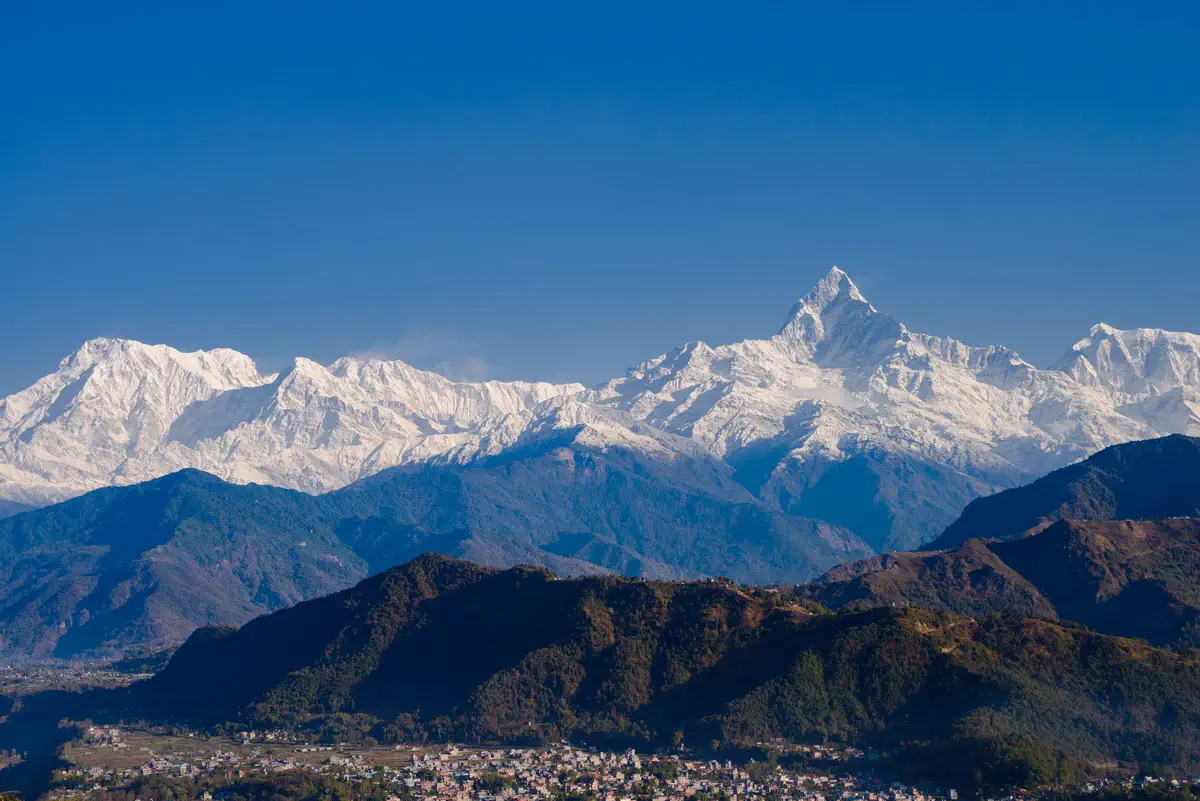
Extended duration (9 days), premium accommodations, a wider geography (+ Pokhara), and a wellness program. Details and itinerary to be confirmed.
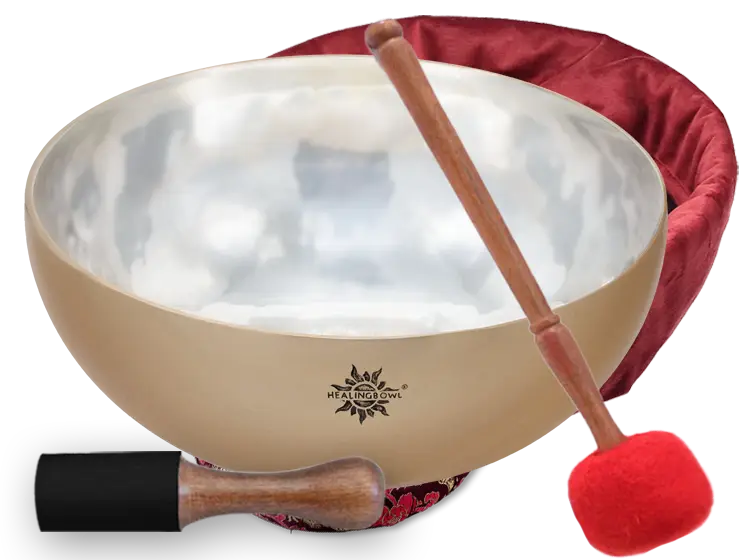
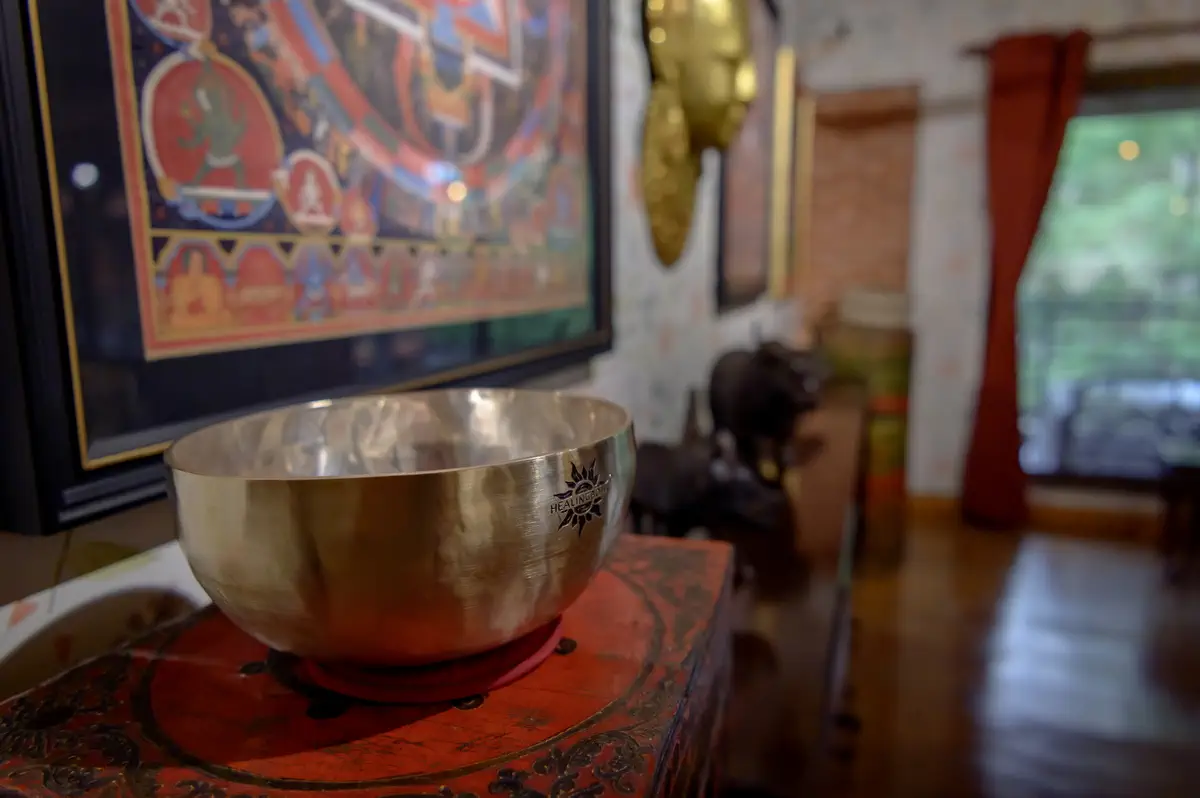
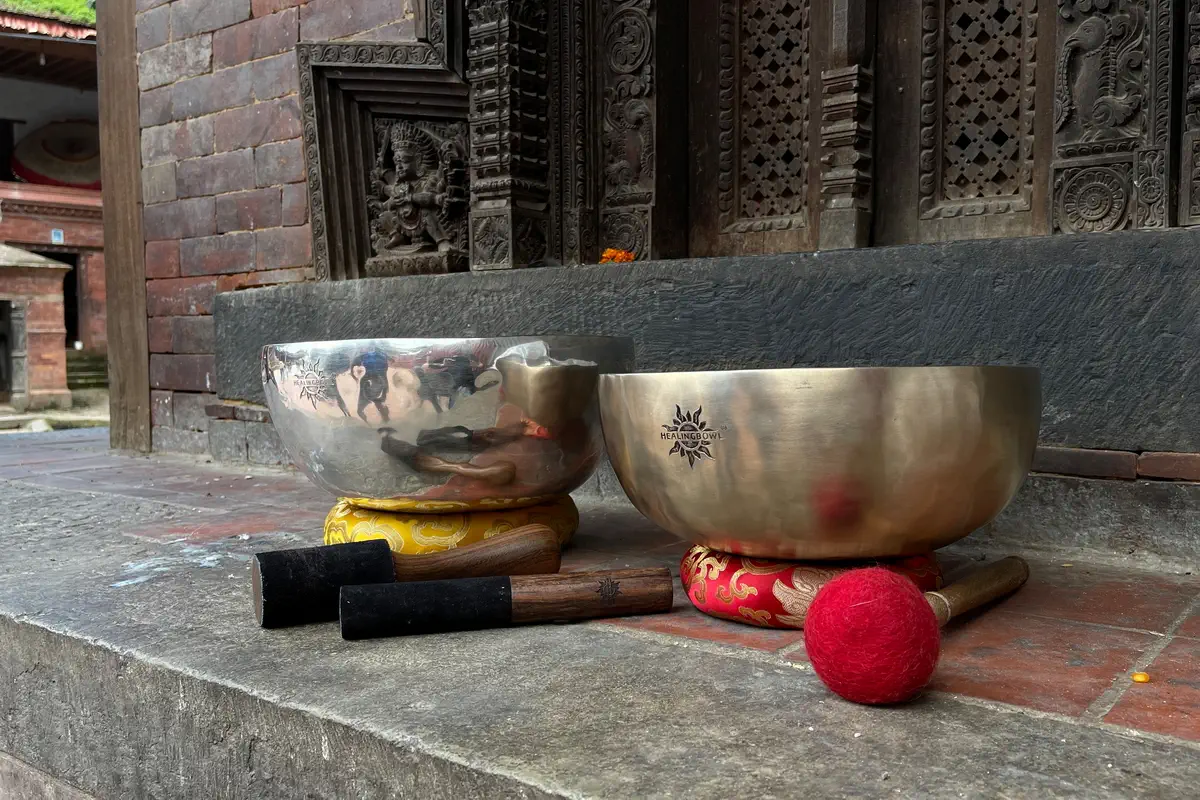
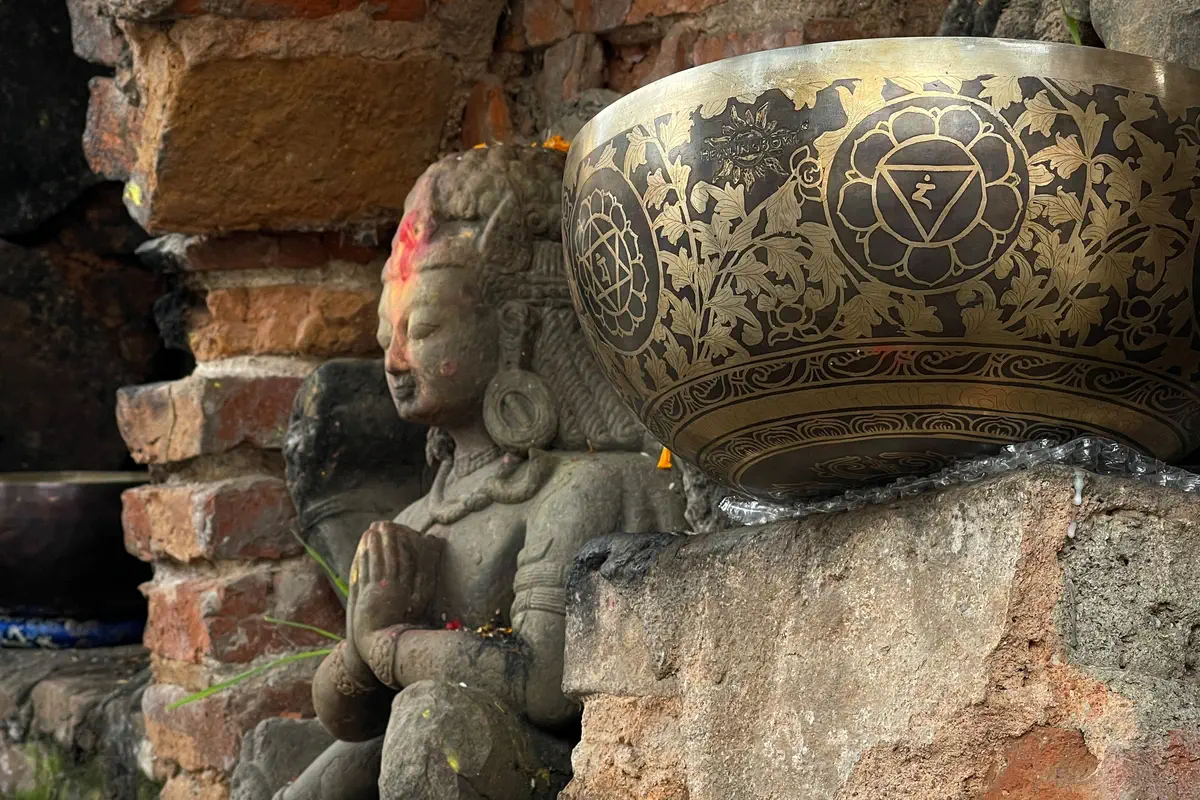
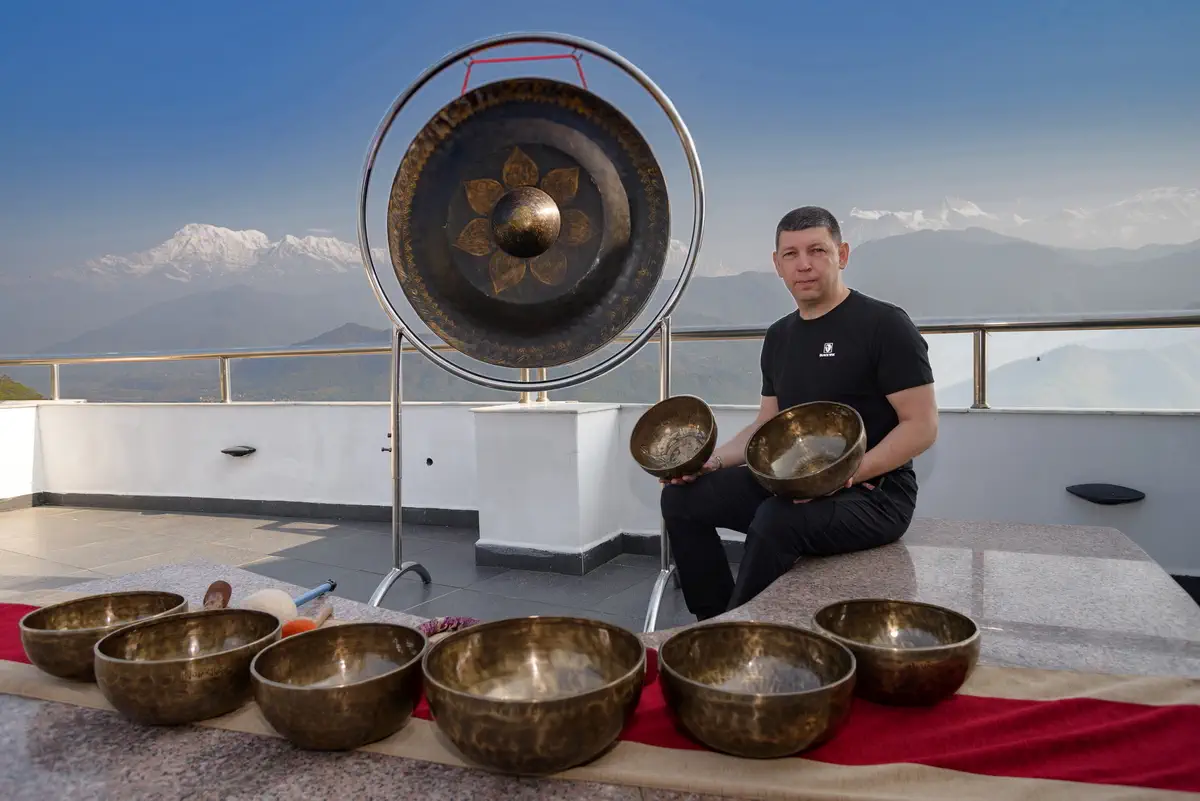
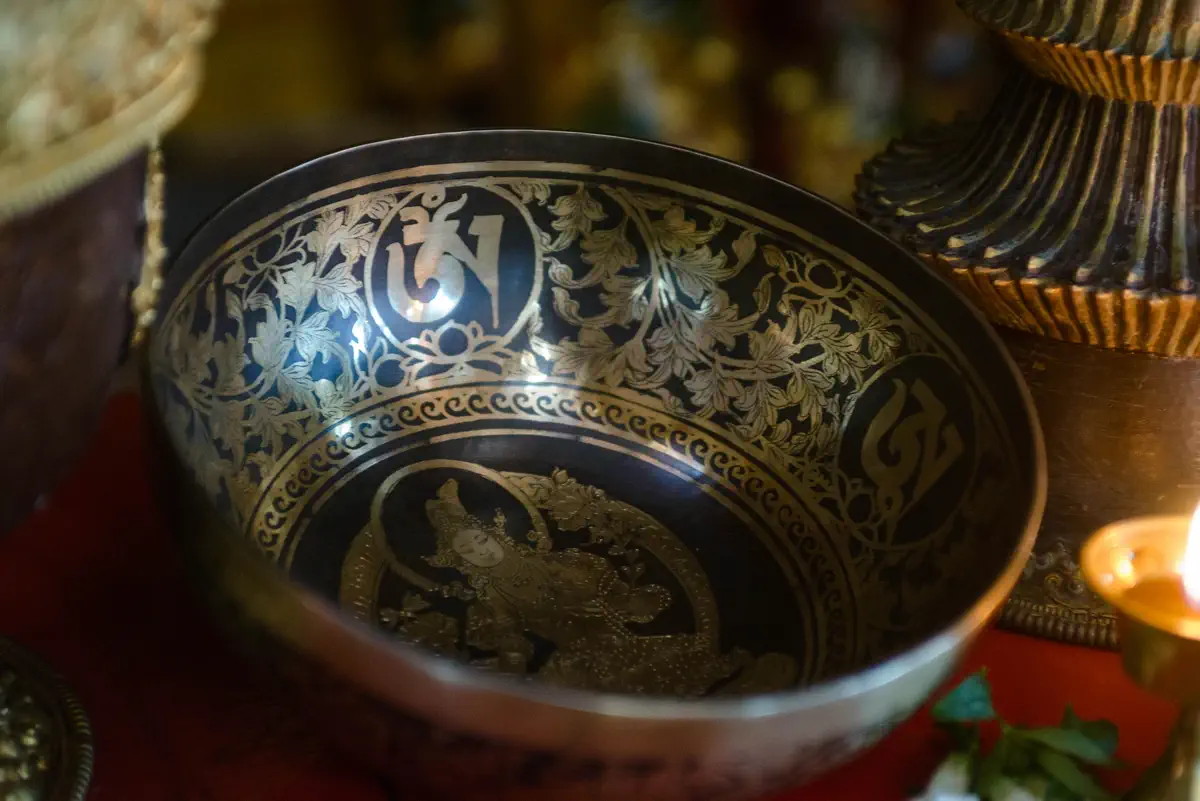
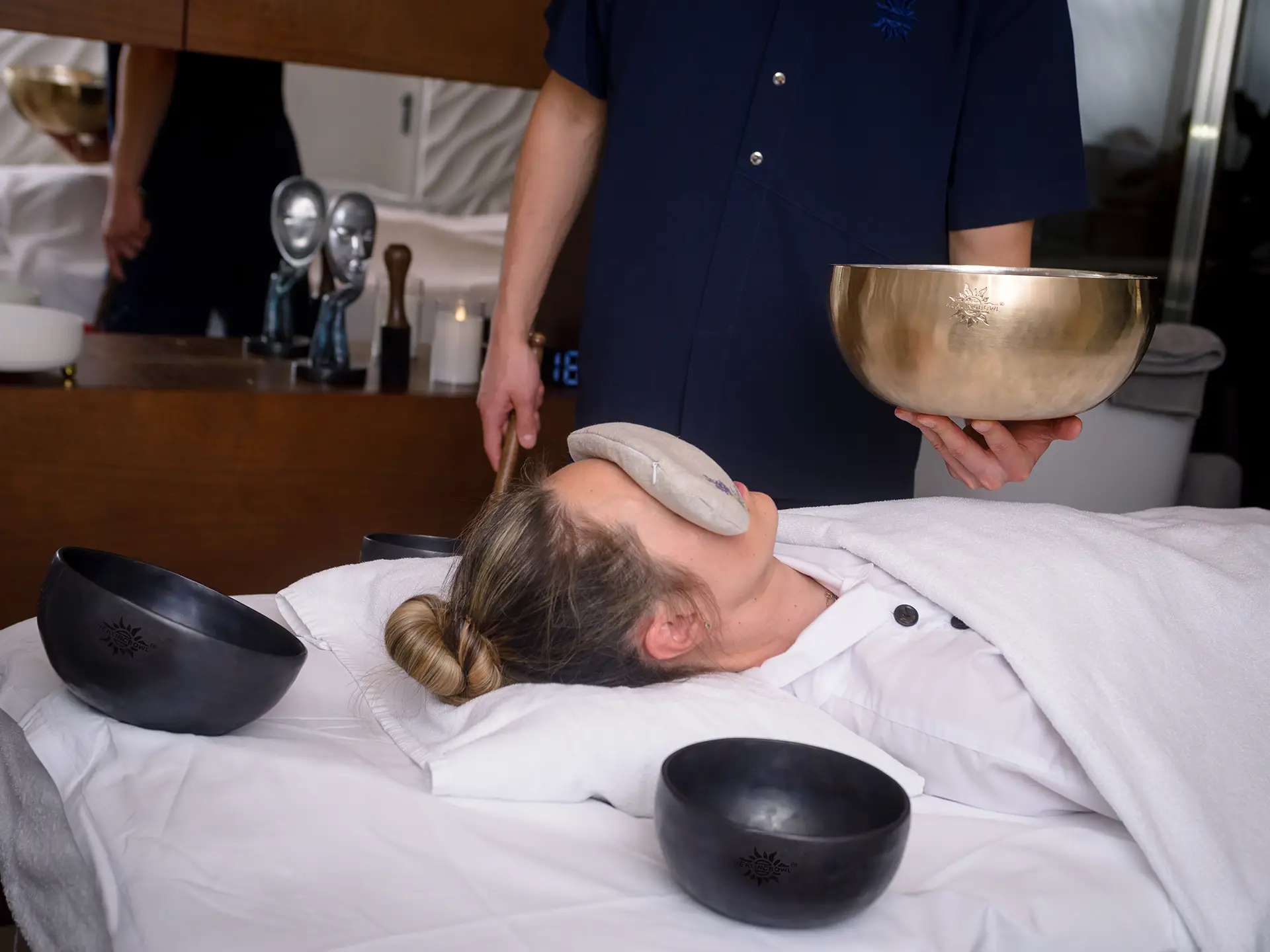
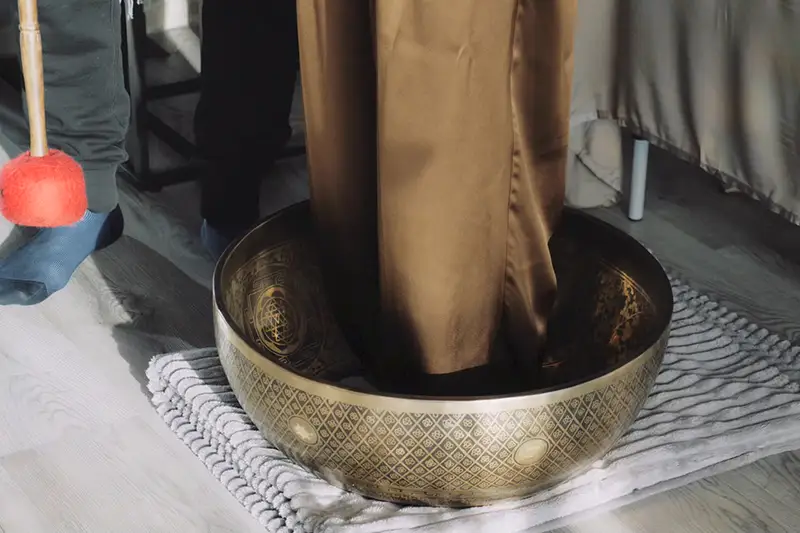
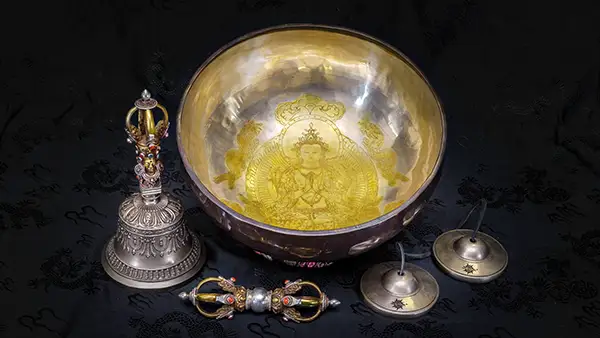
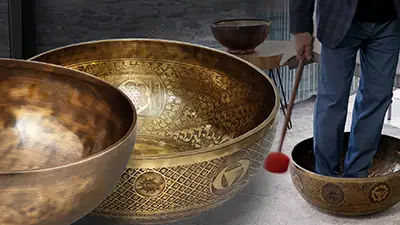
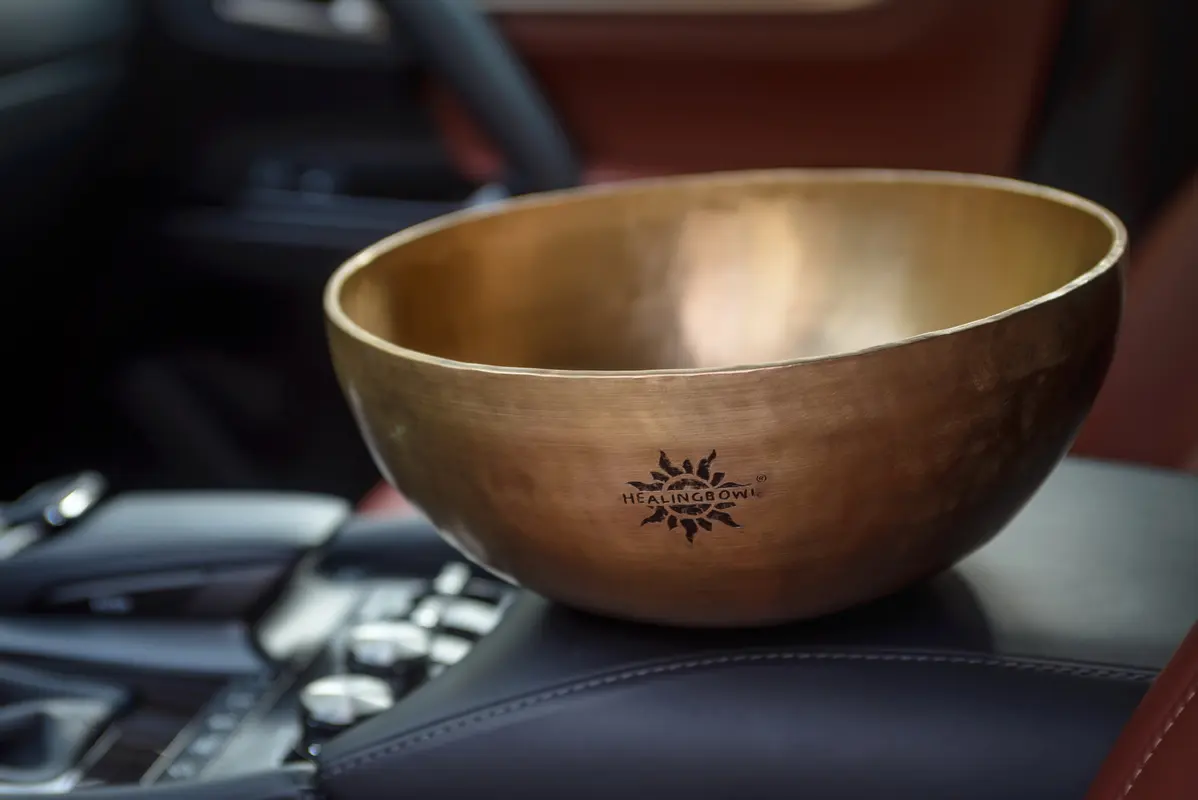
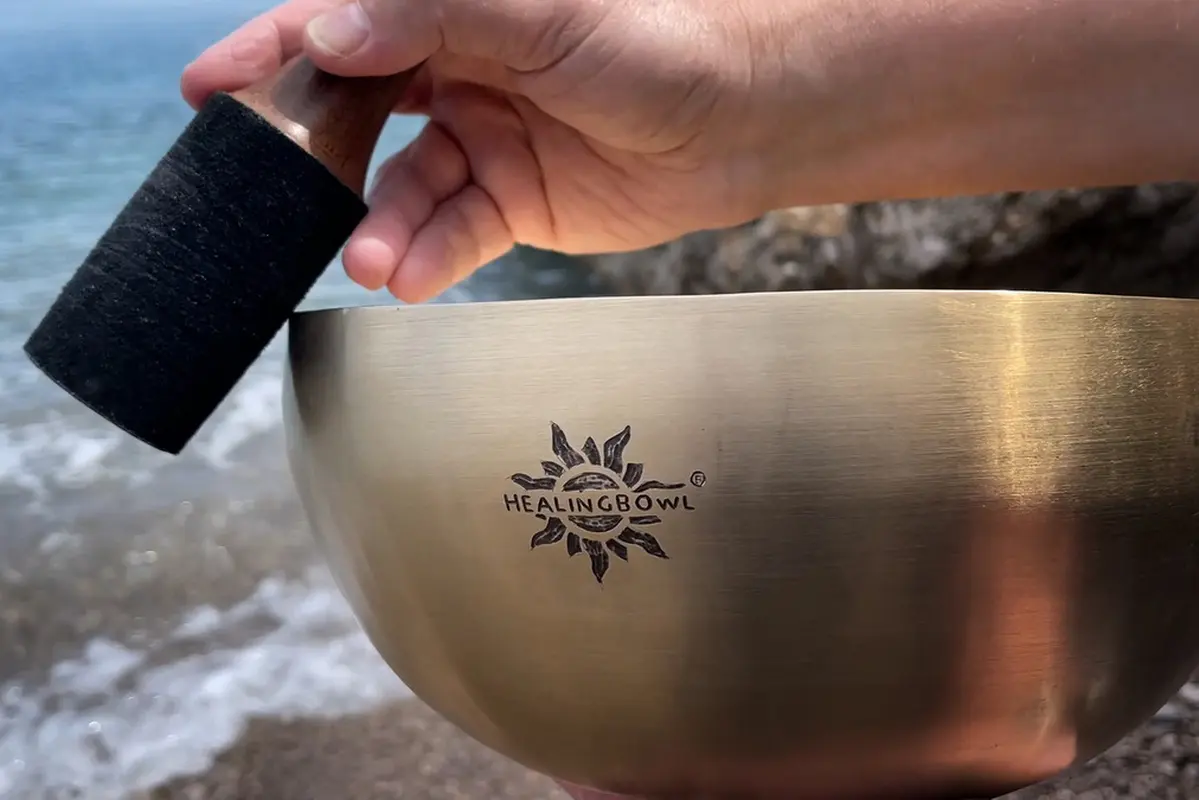
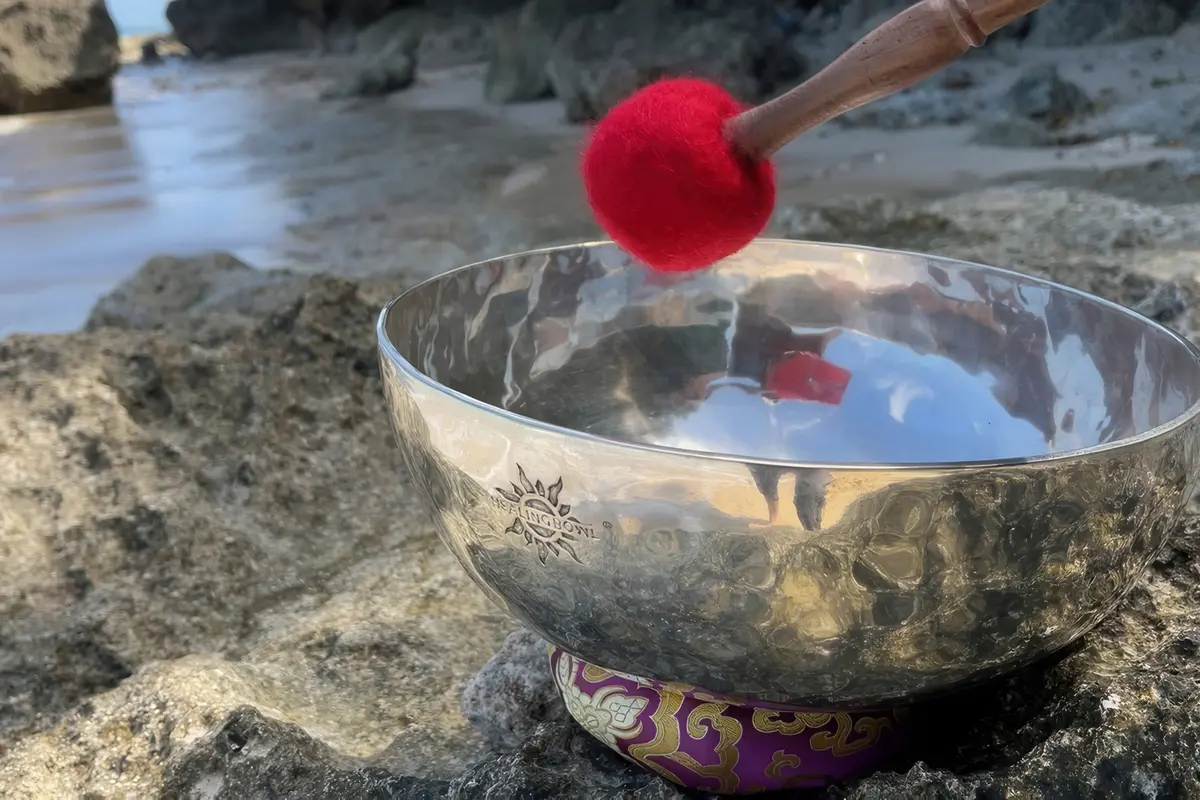
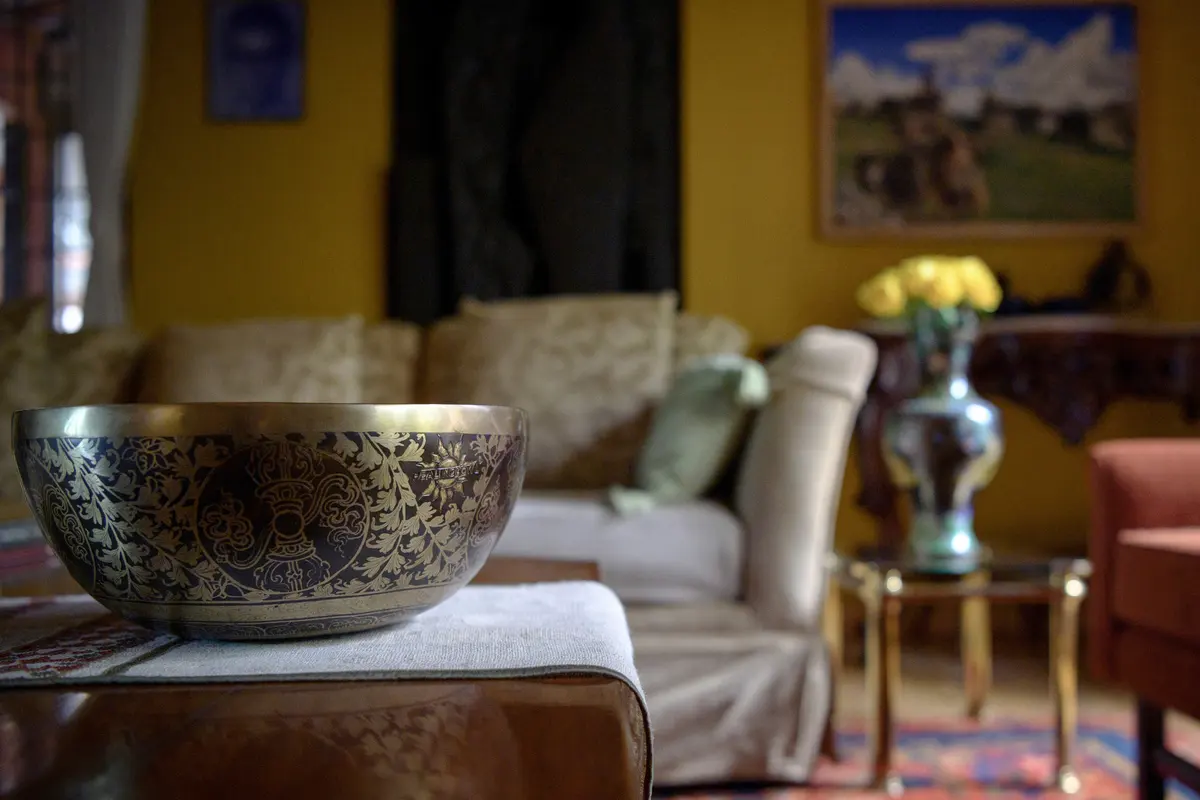
Healingbowl® bowls are specially designed for professional use in the health field. They are high‑precision instruments of unique quality and beauty. Suitable for professionals, enthusiasts, and collectors.
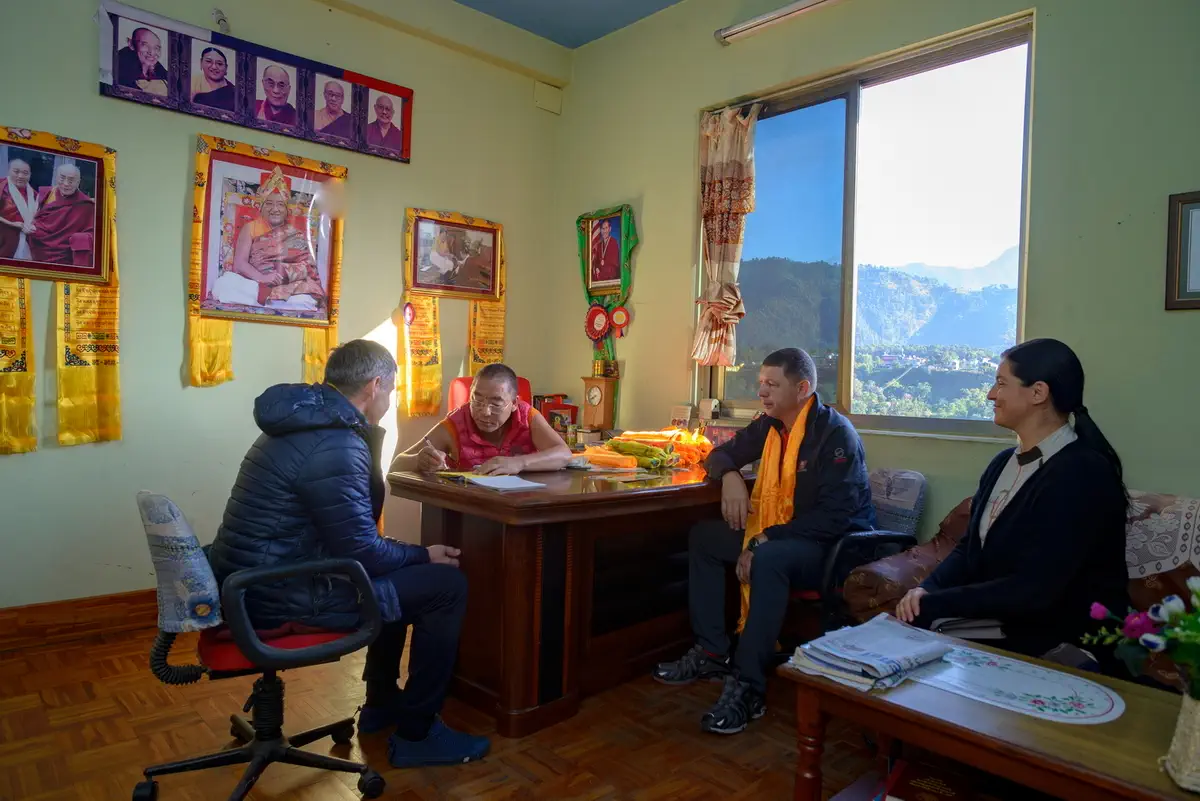
Healingbowl® has been working in Nepal for over 15 years, building long‑standing connections and warm friendships with Tibetan monasteries, and enjoying mutual trust and respect. This enables special conditions and opportunities.
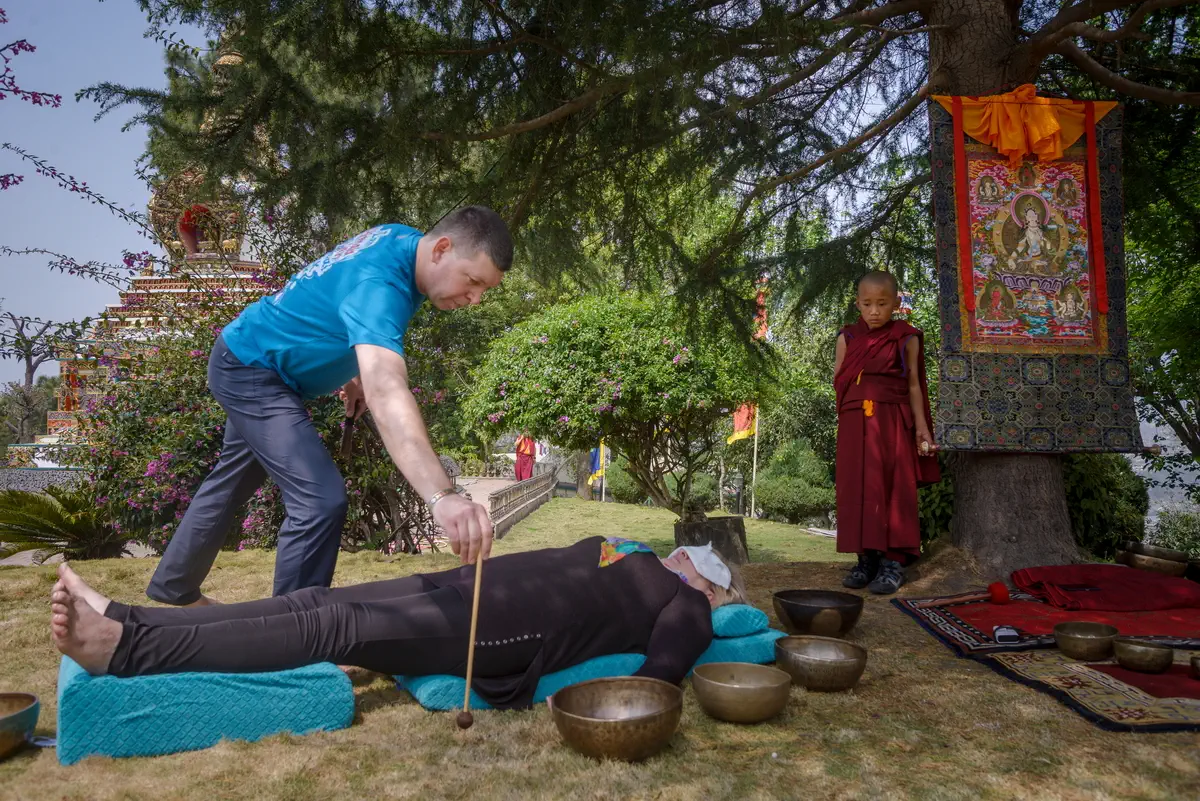
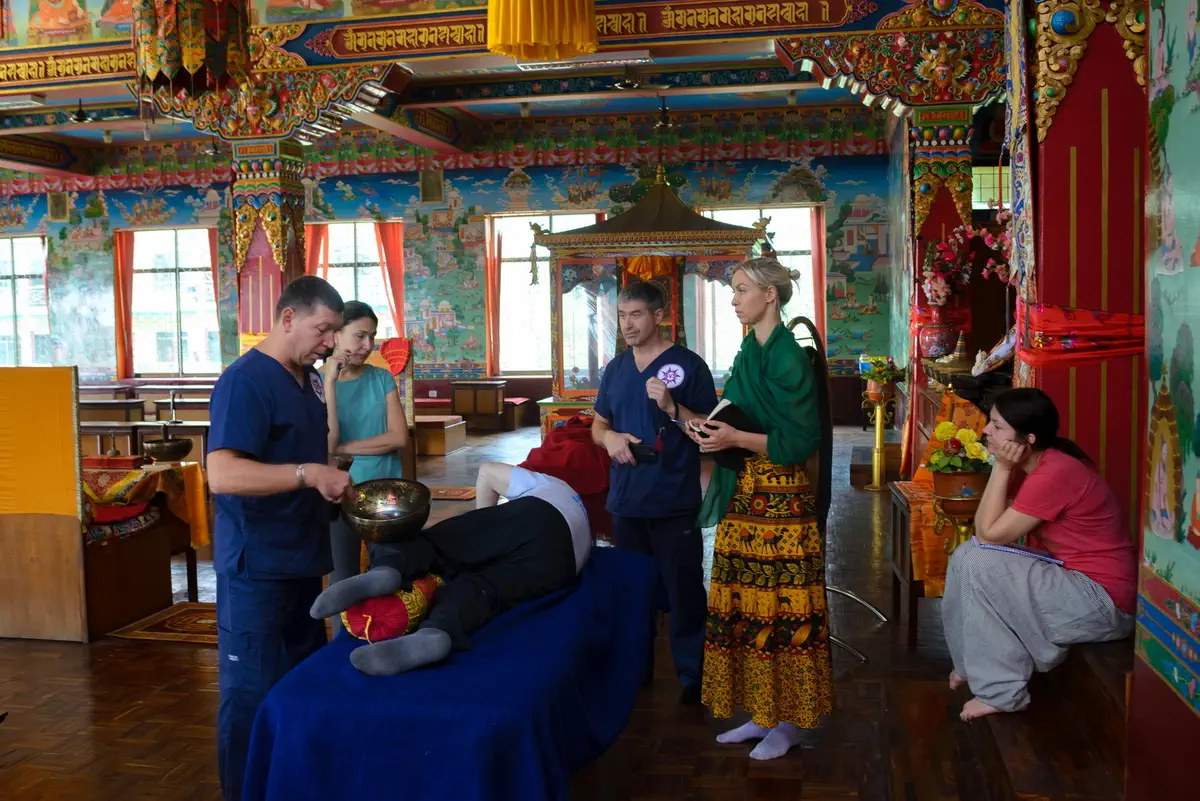
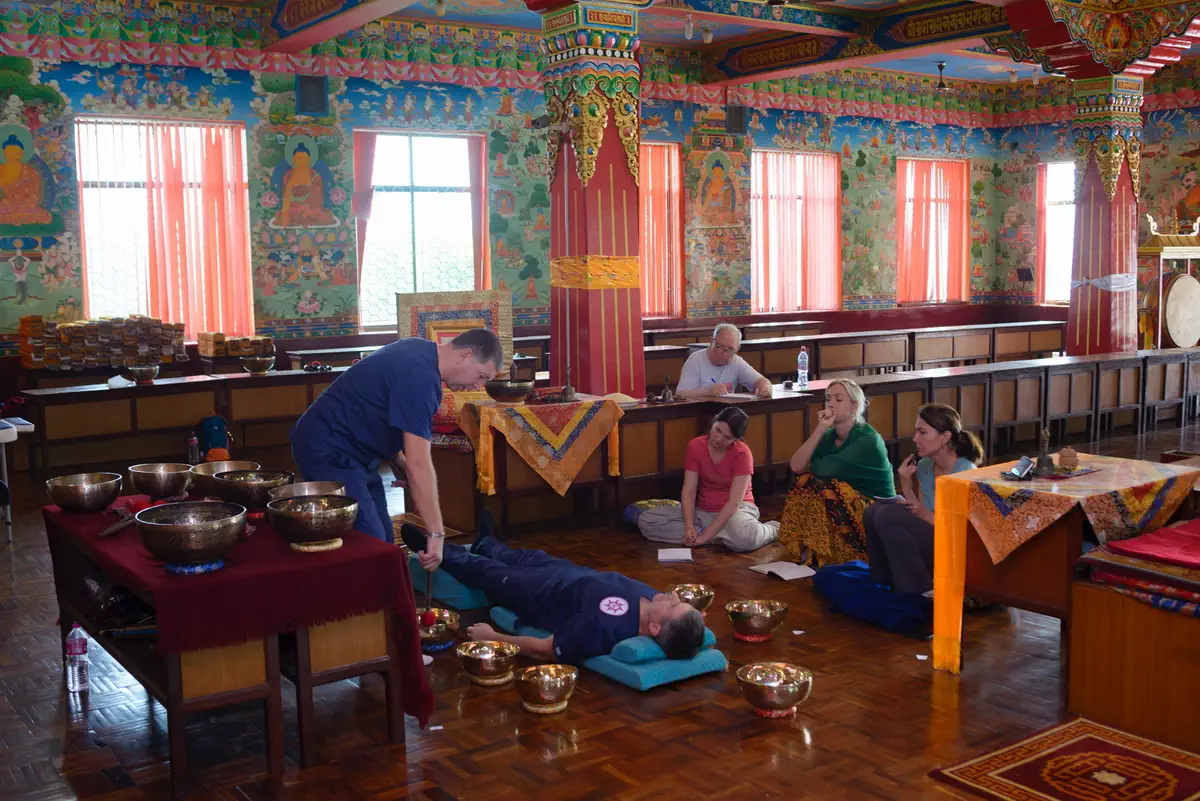
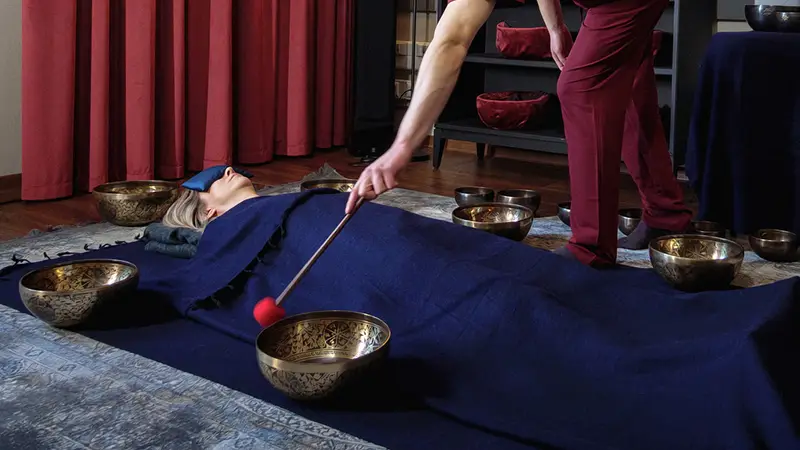
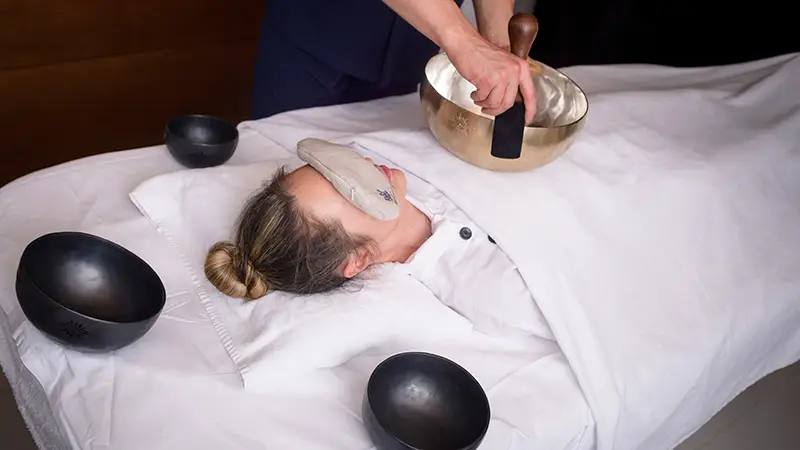
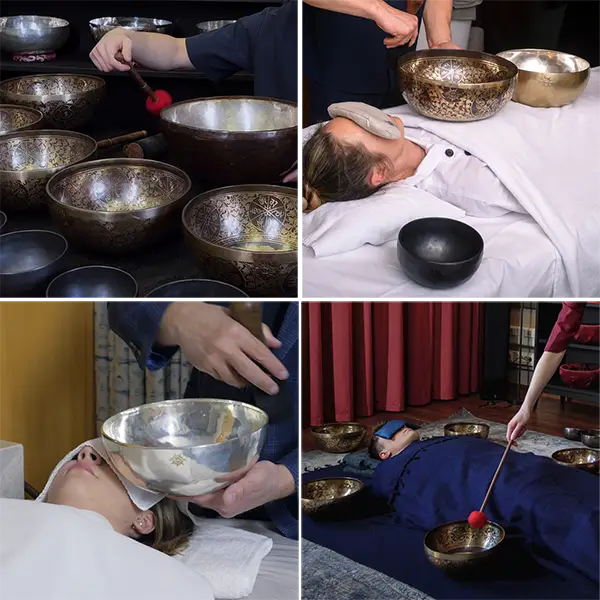
We teach a systematic, scientifically grounded, and time‑tested proprietary method known as Sound Resonance (Vibrational‑Acoustic) Therapy. Developed by a physician, the method is used by both professionals and enthusiasts.
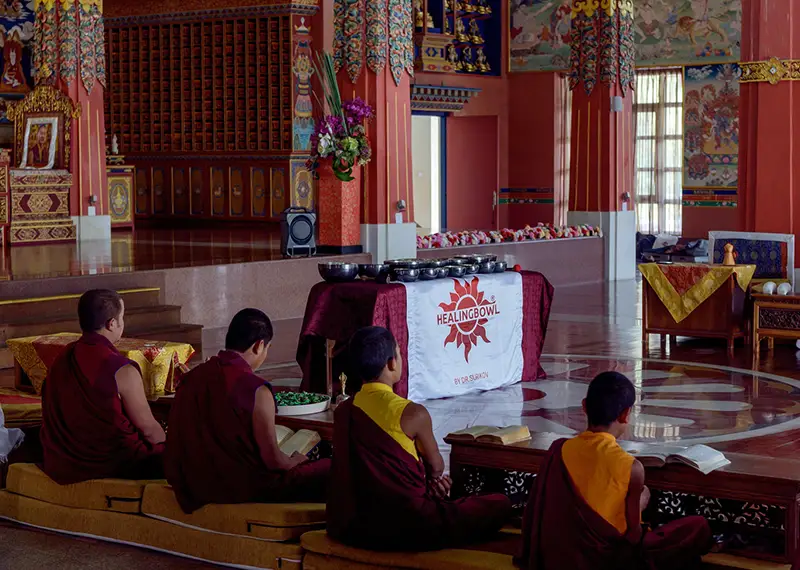
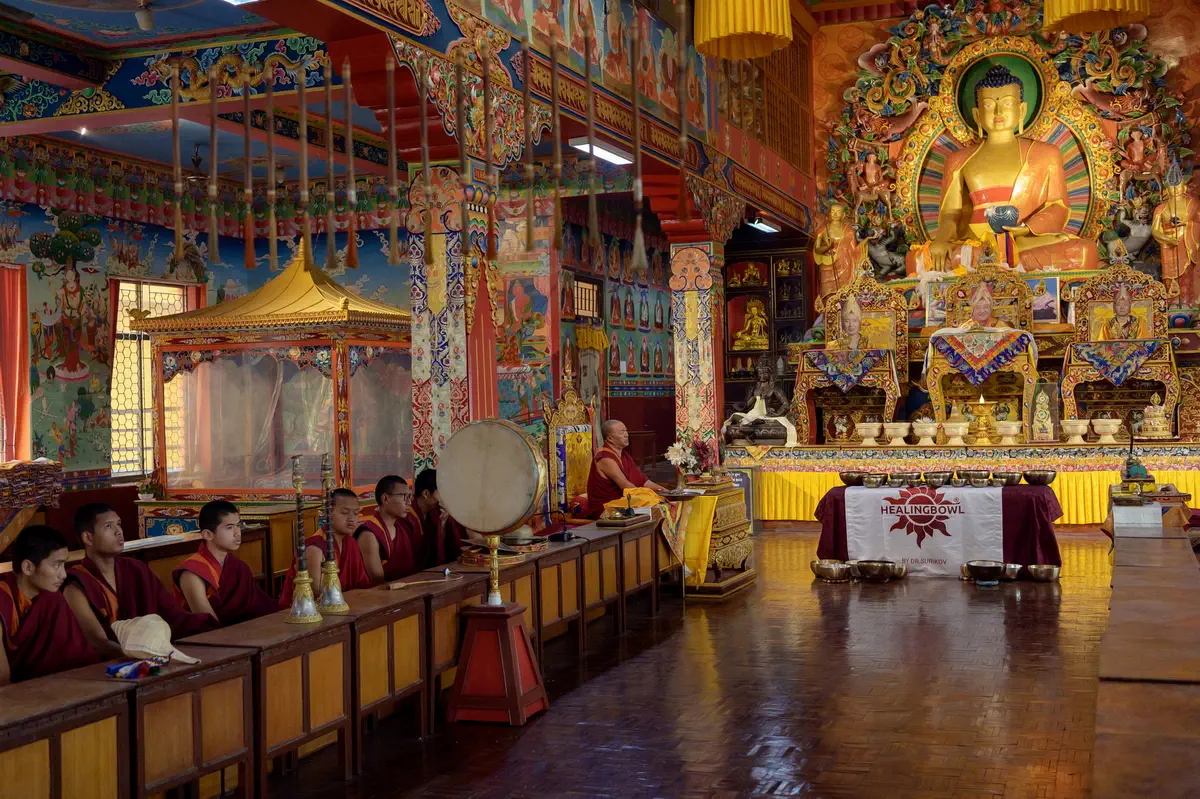
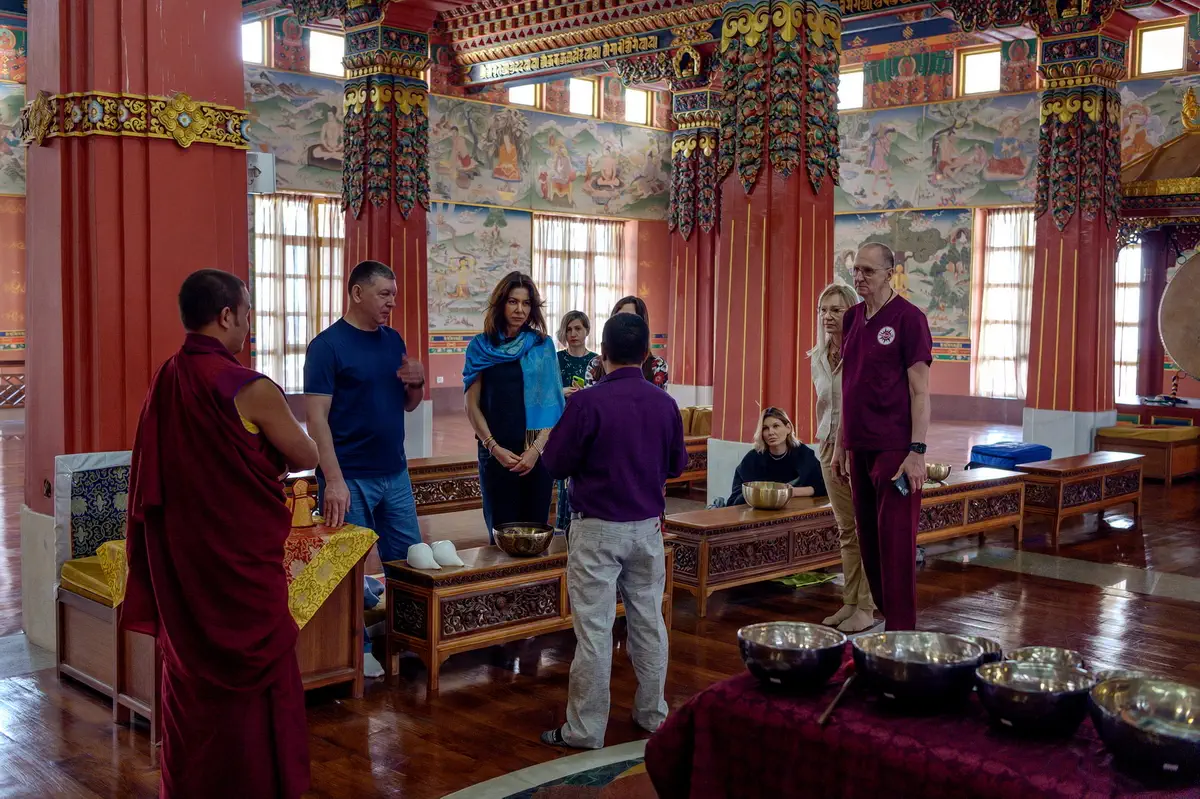
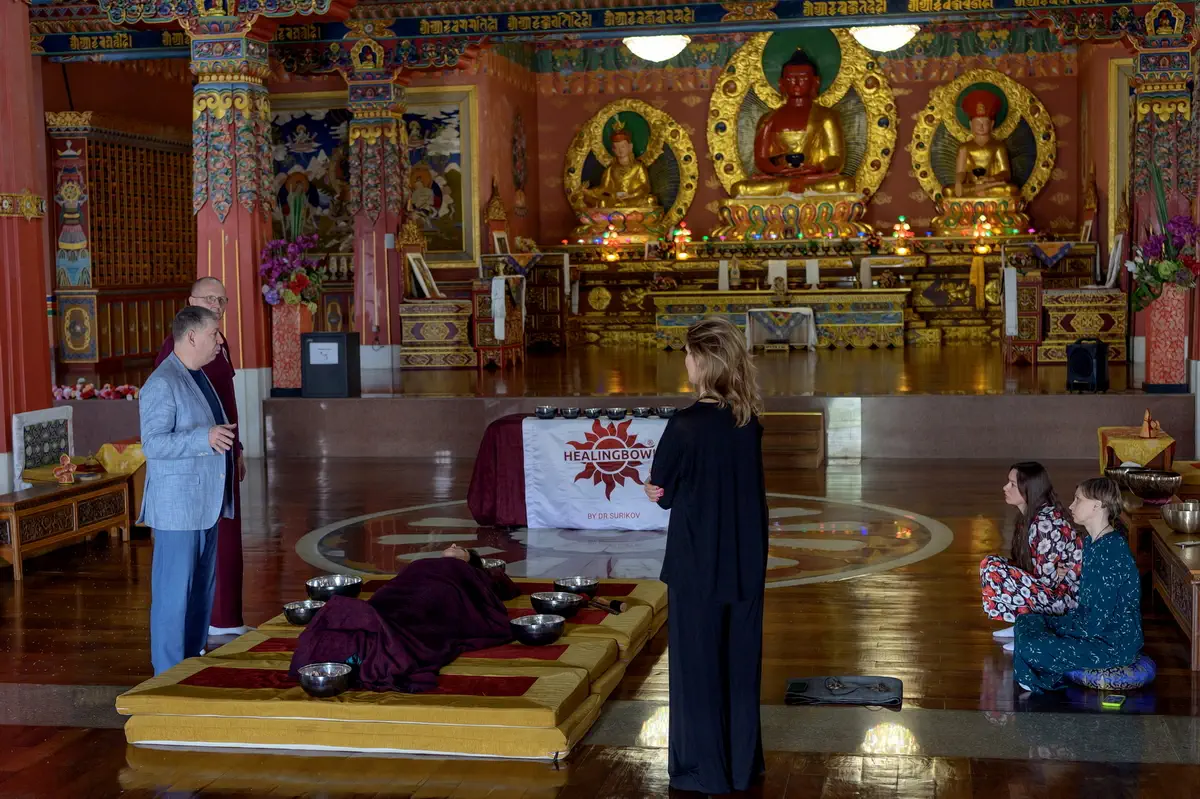
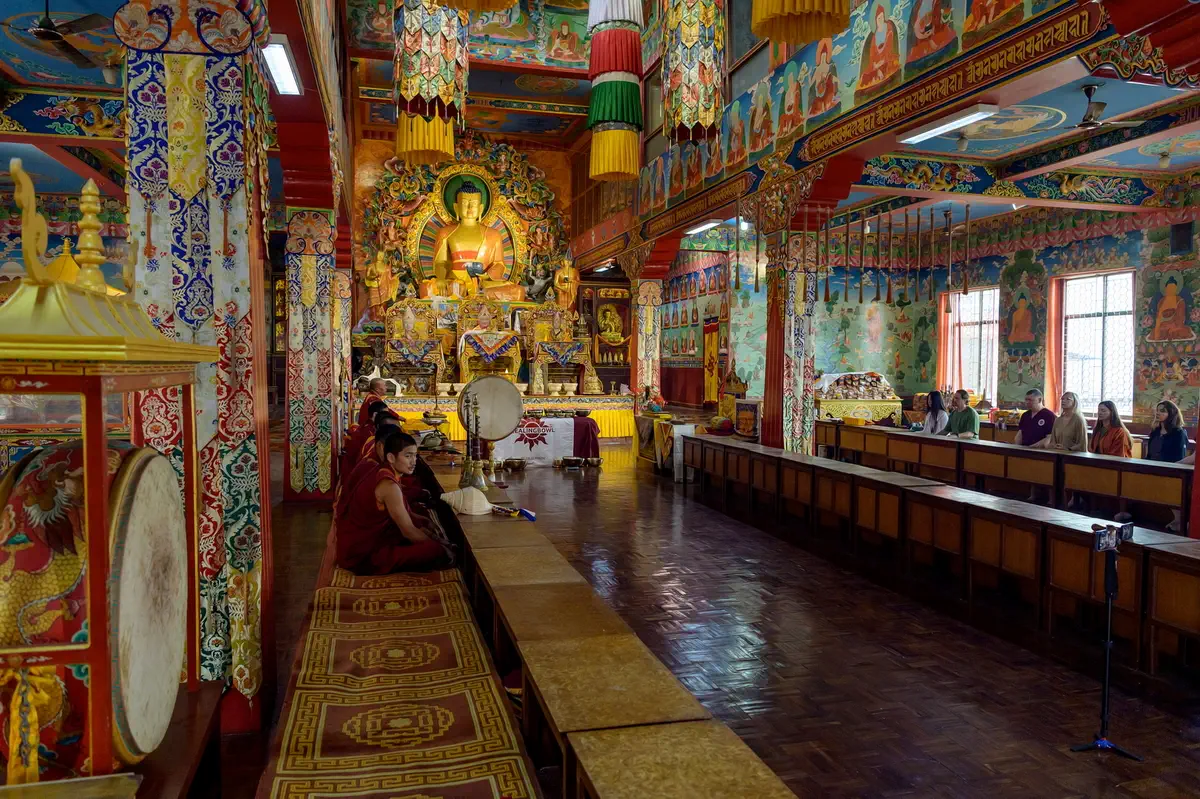
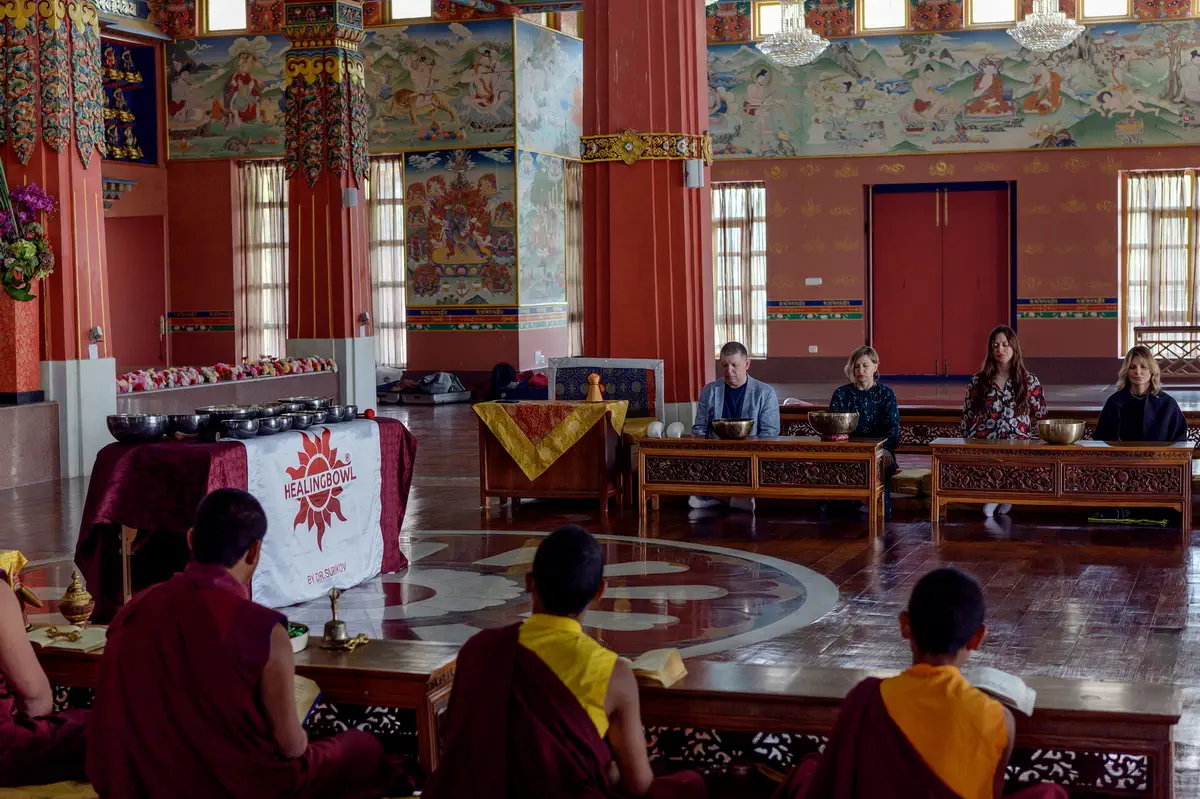
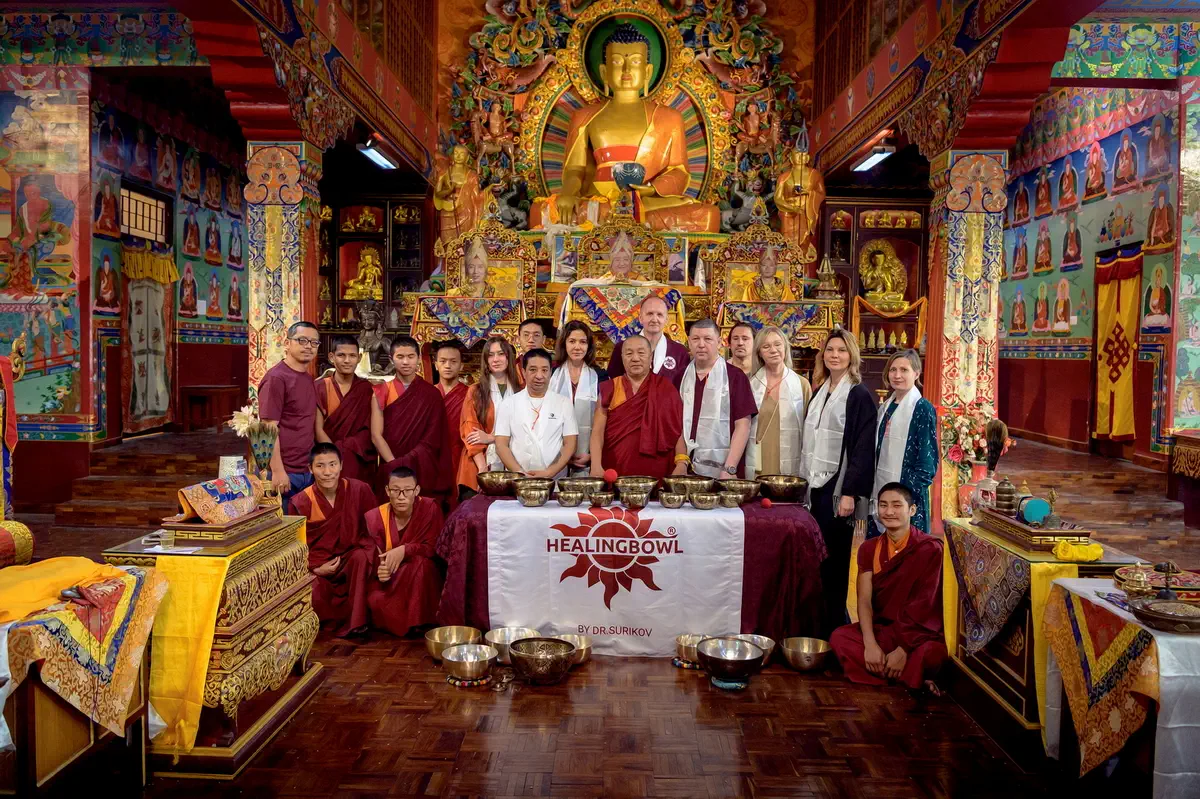
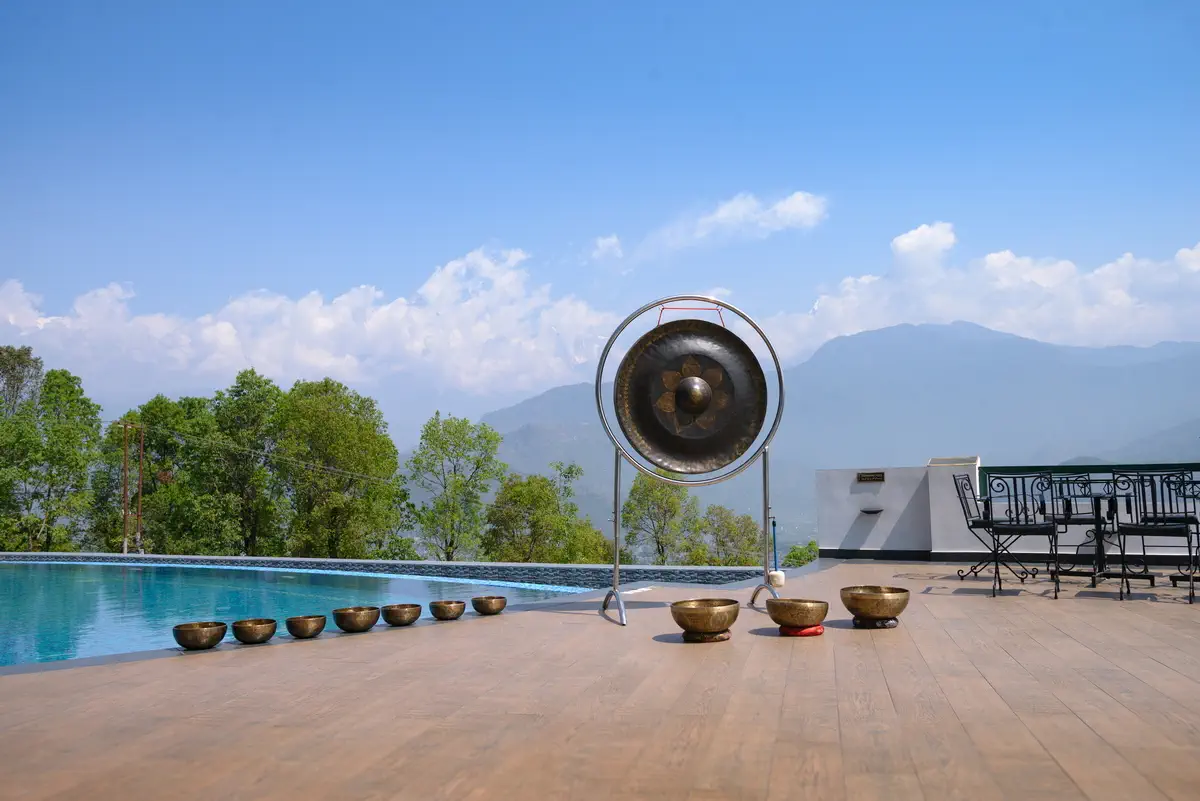
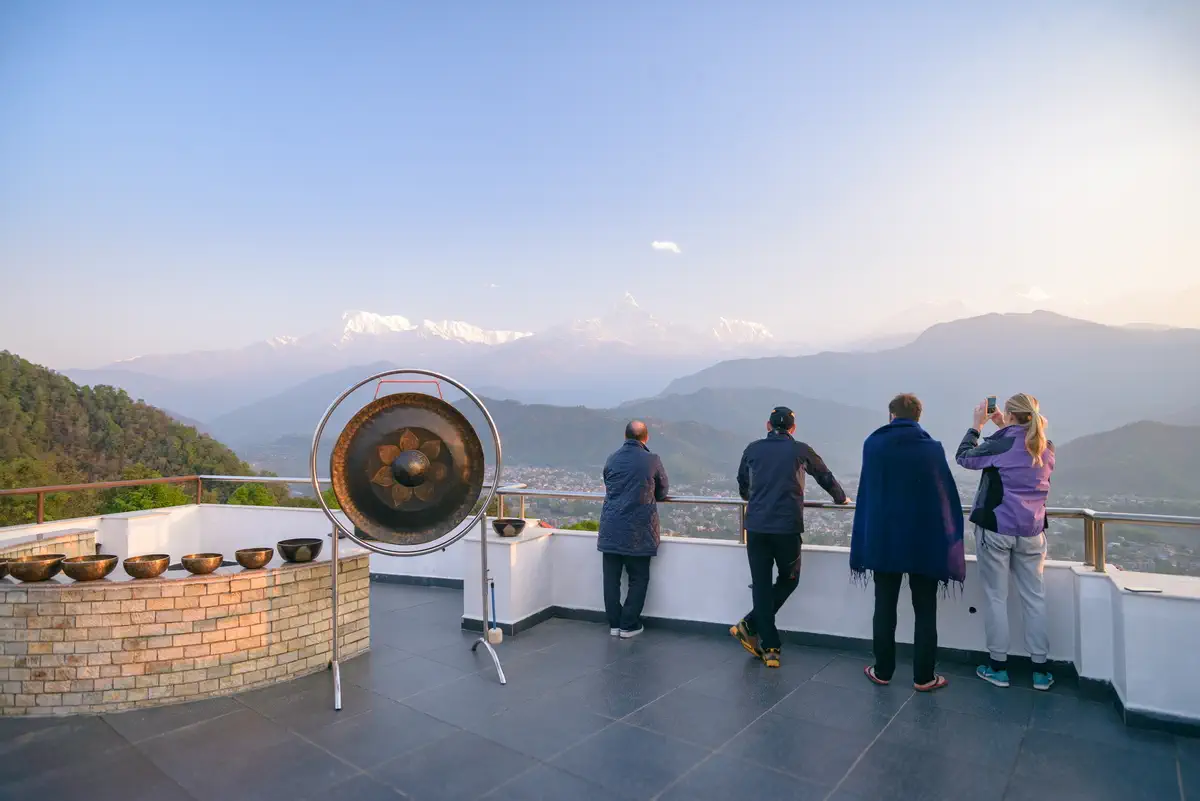
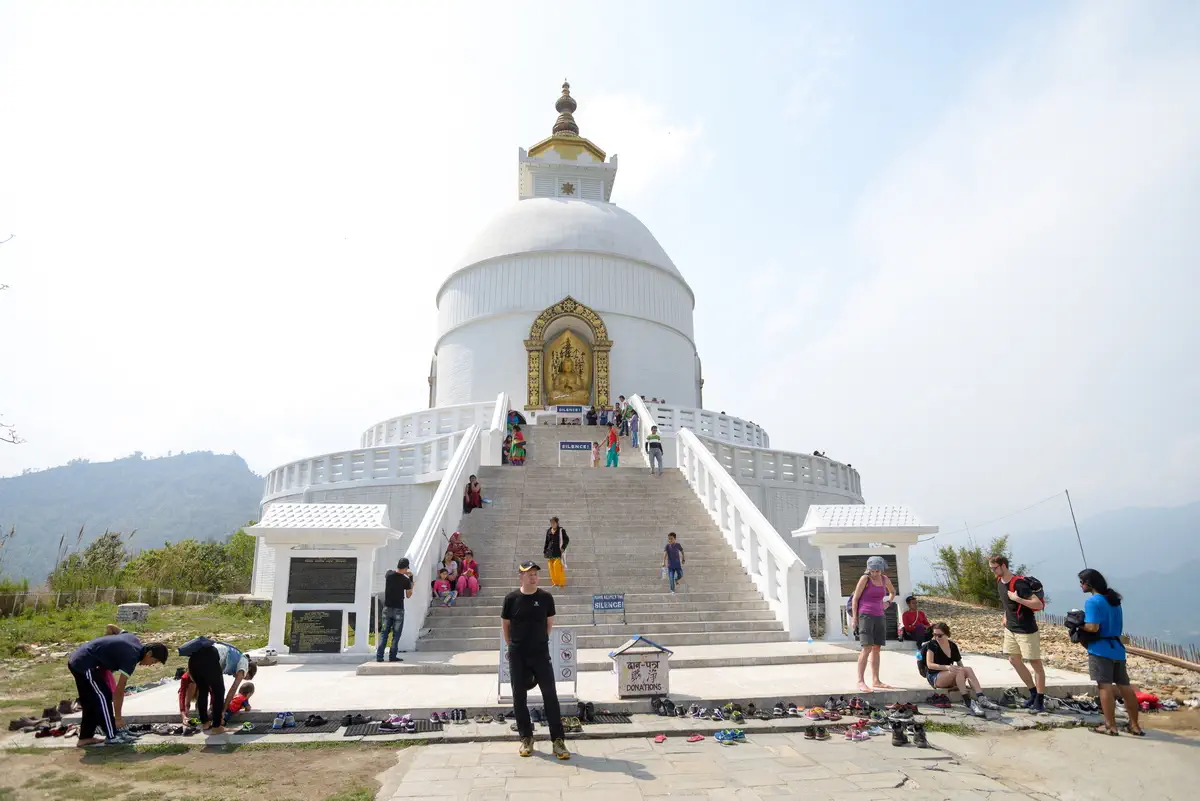
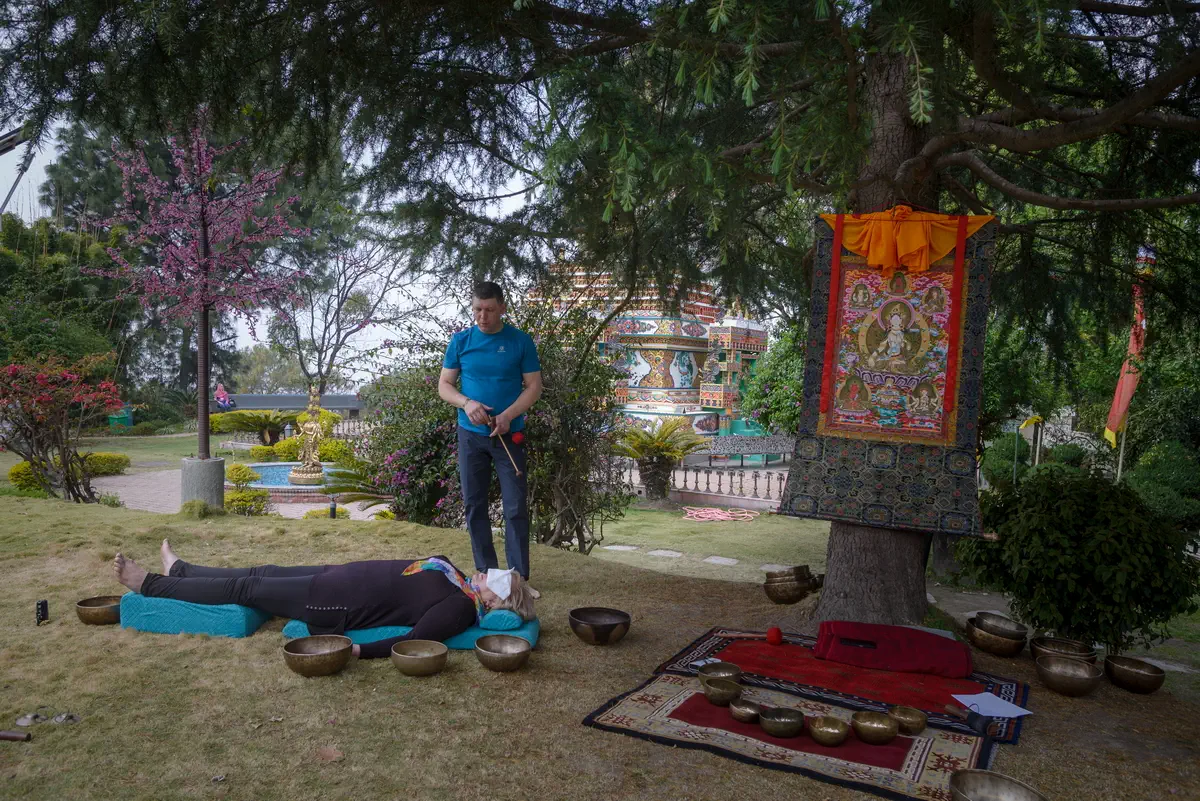
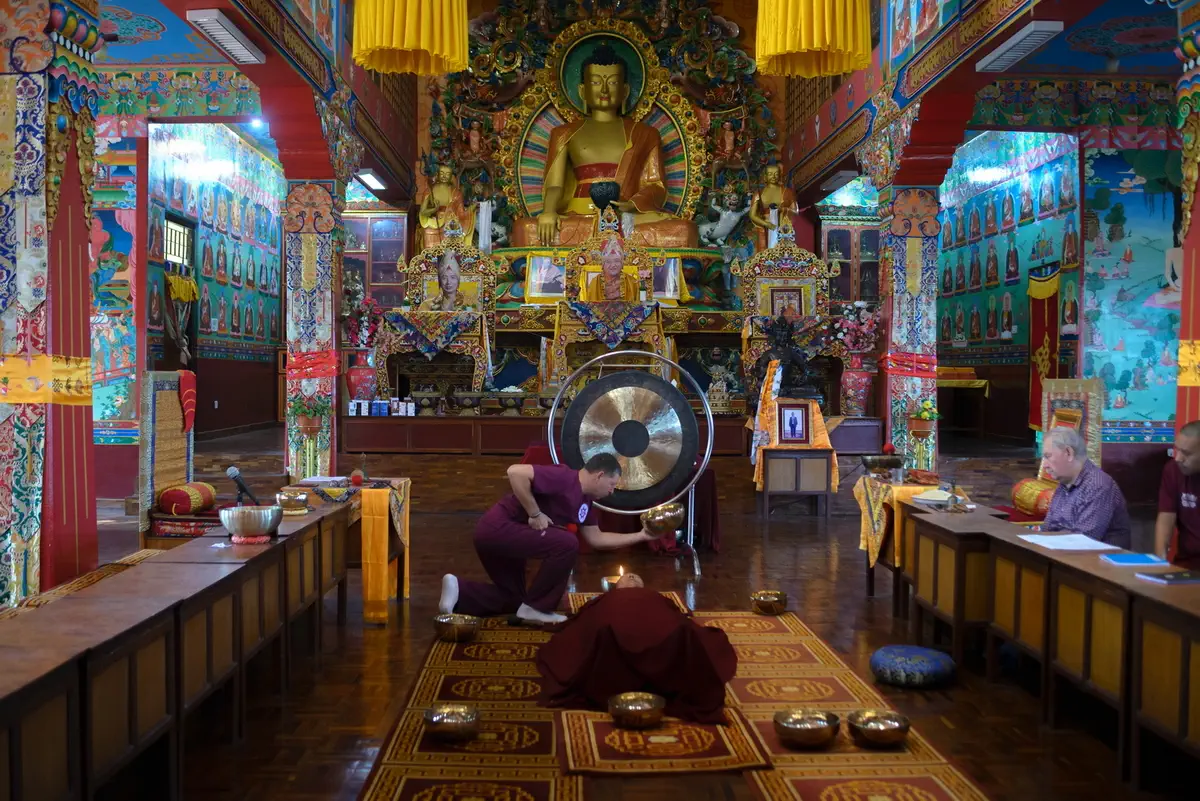
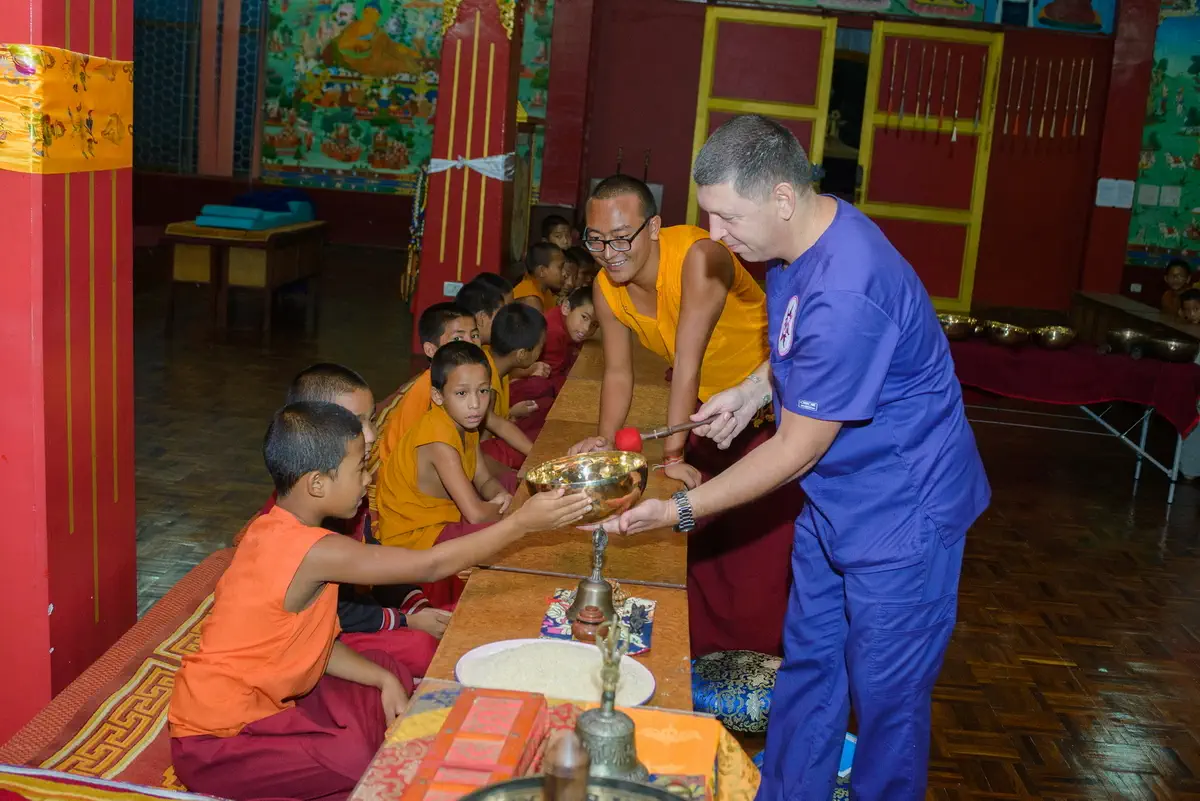
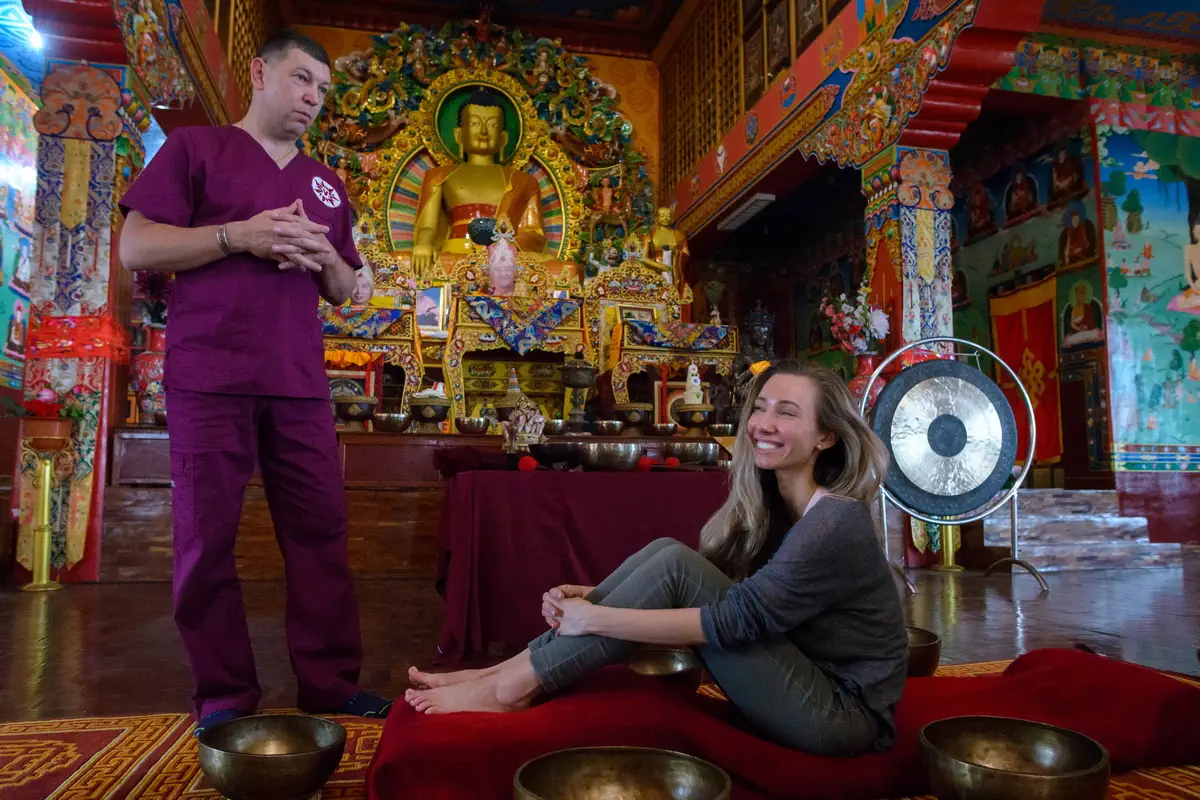
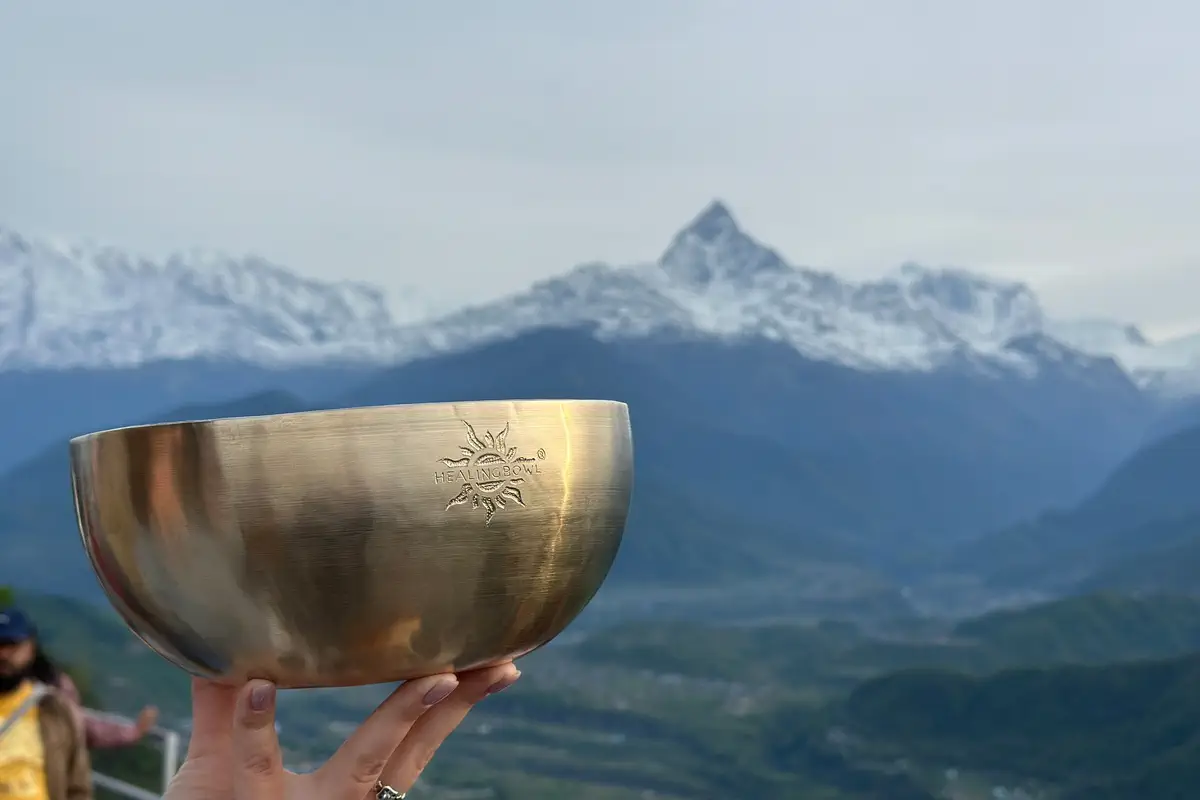
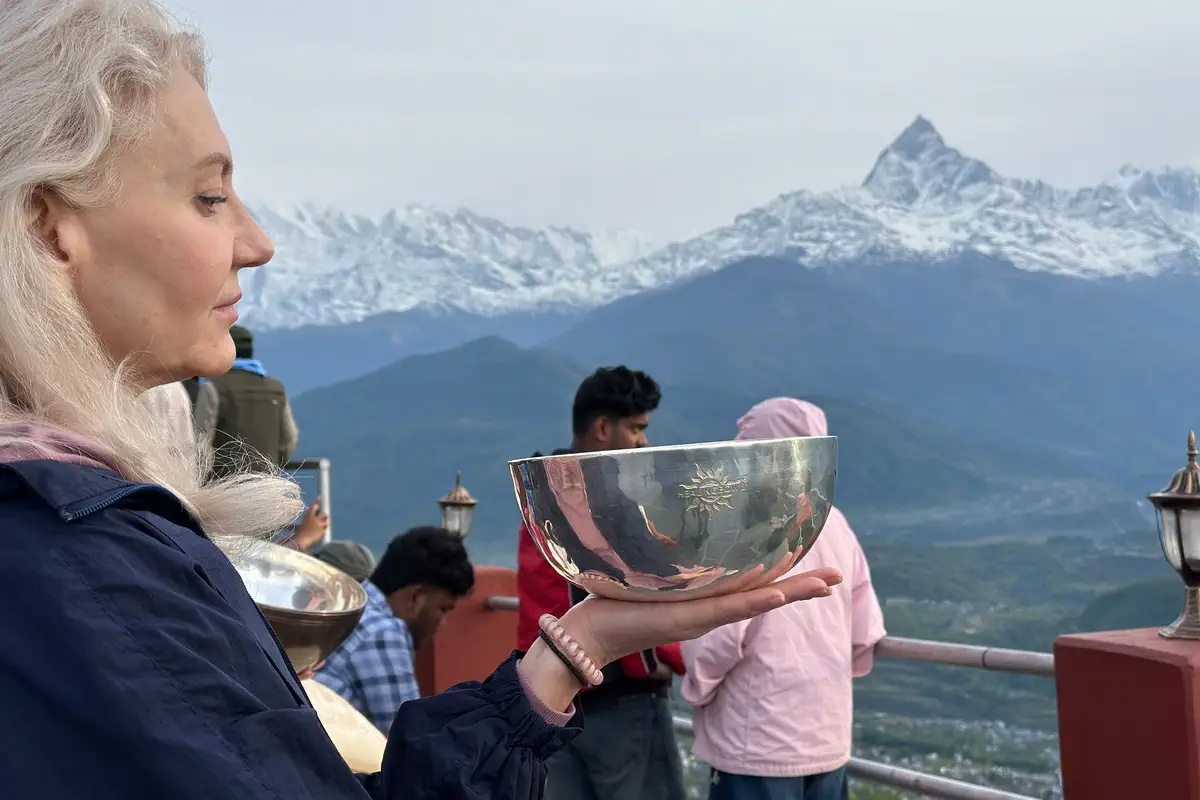
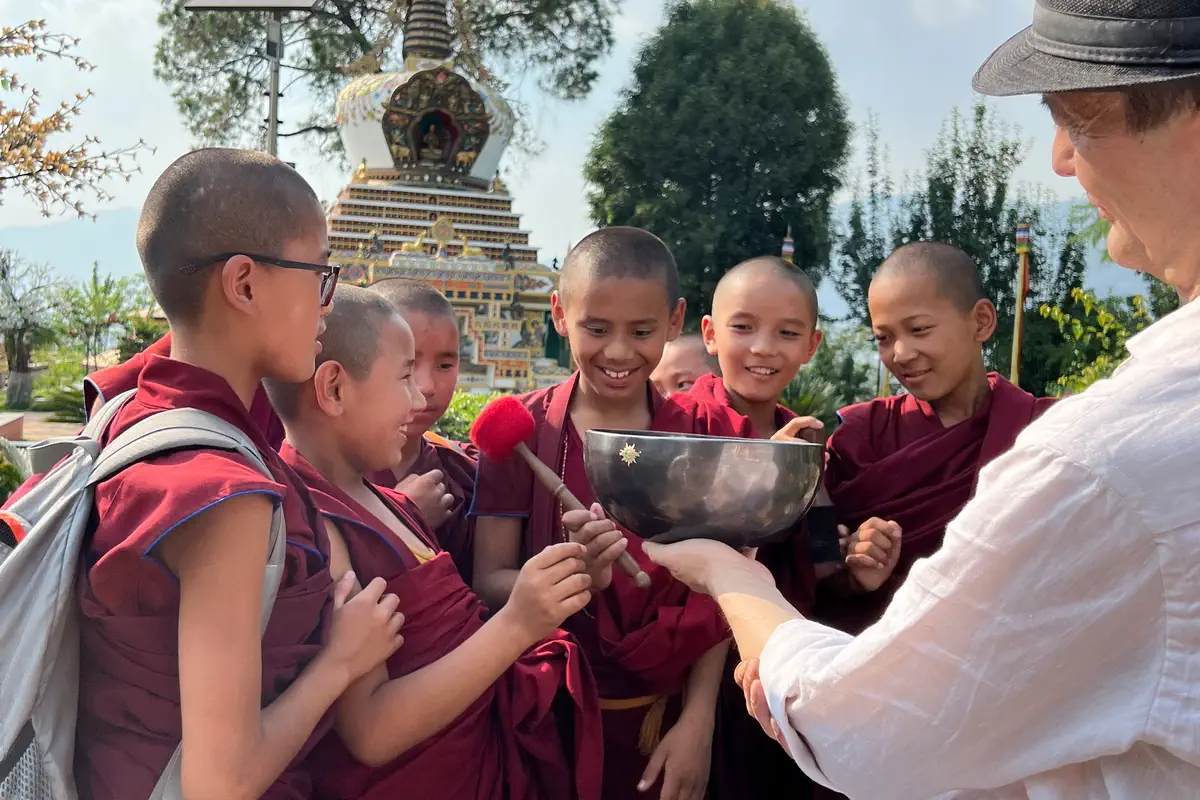
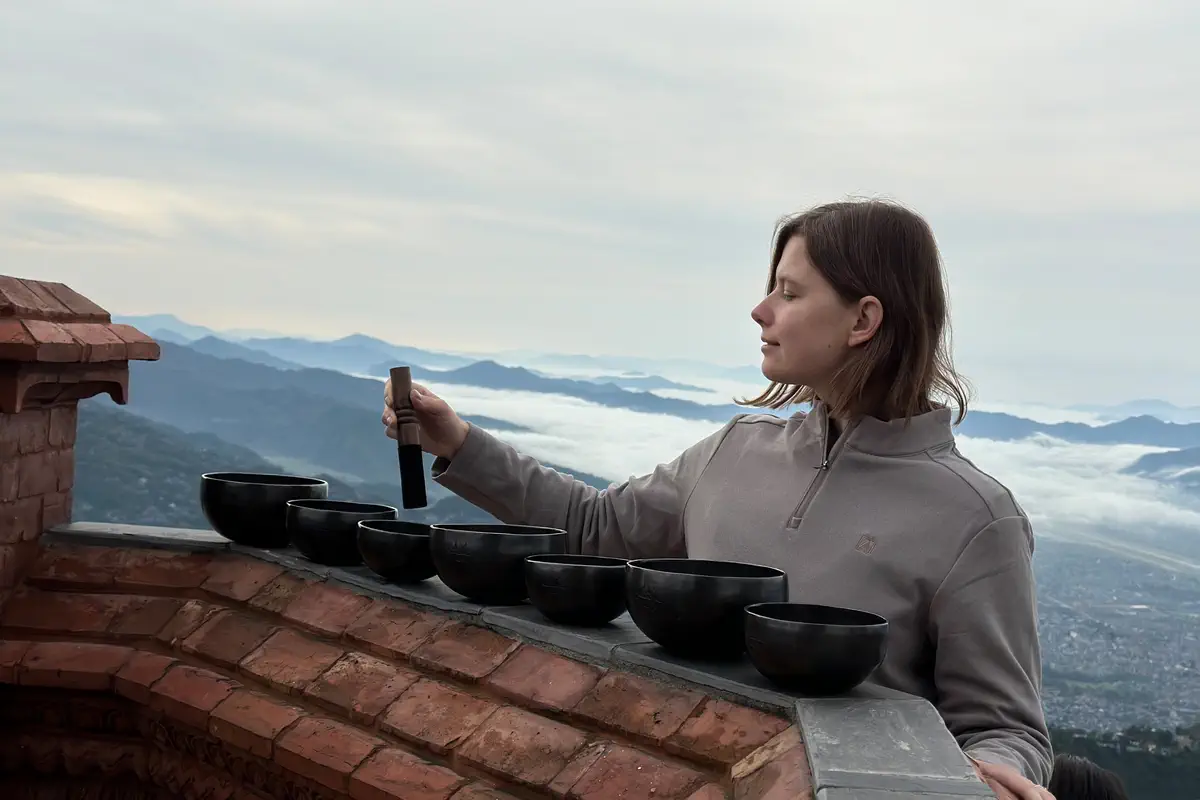
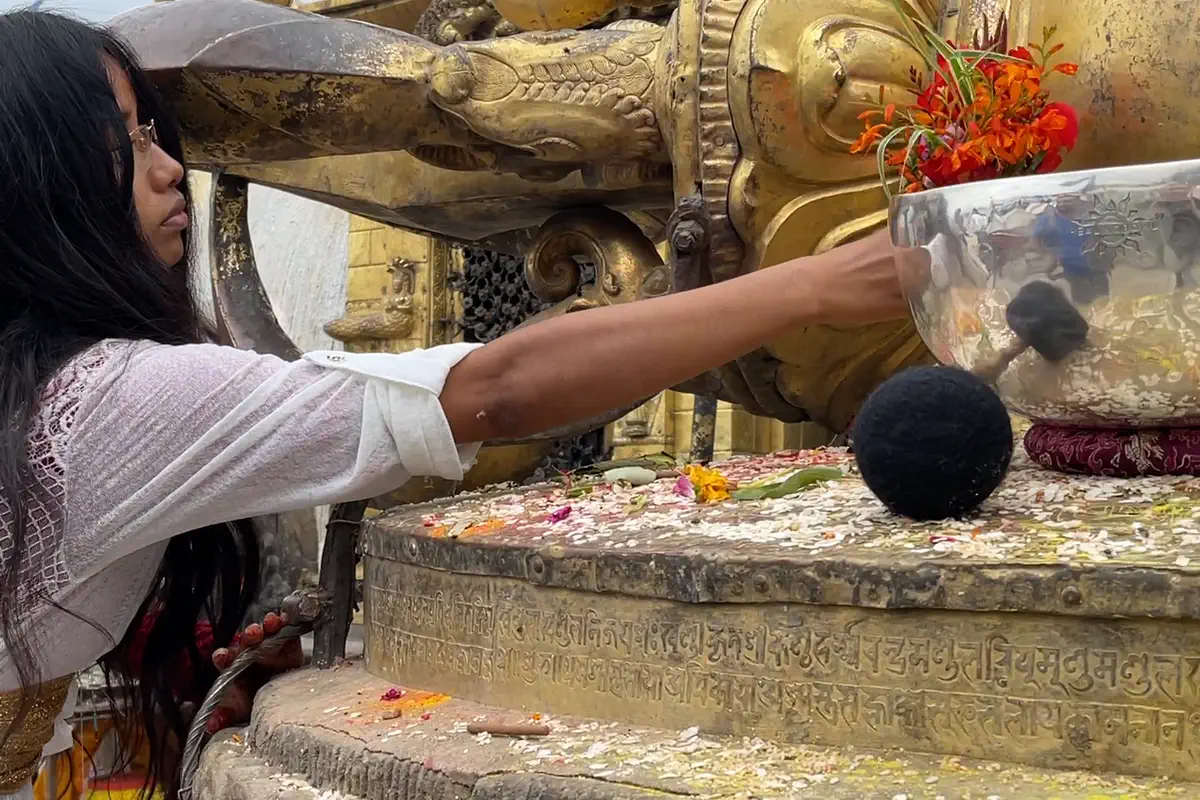
Our long‑time friends, the lamas and monks, warmly welcome us to the Tibetan monasteries. They will perform special services especially for us. Tibetan Buddhist pujas are both valuable meditations that help attune the mind and sacred rituals aimed at bringing about general well‑being. A meditation session with a Healingbowl® singing bowl set will be held in the main hall of the monastery. The program includes a visit to a unique retreat center of a Tibetan monastery on a mountaintop on the outskirts of Pokhara, as well as meditation inside (!) a stupa.
All of this unfolds in the distinctive, uniquely heartfelt atmosphere of Tibetan culture.
.
The «Sound Resonance Therapy» method was created by Dr. Surikov in 2013 to restore and maintain physical and mental health using specially designed singing bowls and sets.
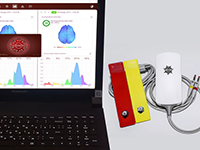
The effectiveness has been confirmed by many years of practice with the use of objective diagnostic tools.
Dates:
November 3-9, 2026
Arrival: You must arrive in Kathmandu a day before the programme starts.
Cost:
USD 3.000.
Included:
!
We will tailor a personalized program and activate our exclusive opportunities reserved for special occasions. Upon request: helicopter tours over the Himalayas, maximum comfort, and singing bowl practices.